Zhu Bajie & Sha Wujing: The Fallen Retainers of Sin and Salvation
In the Journey to the West party, Zhu Bajie and Sha Wujing represent “human imperfection” and the “fall from past glory,” in contrast to the peerless Sun Wukong.
They are more than mere supporting characters. The narrative structure—where high-ranking officials once in charge of Heaven’s military and security become monsters due to a single mistake and travel to purify their “sin”—forms the source of character designs like the “disgraced knight seeking to regain honor” or the “atoning wizard” in modern RPGs.
1. Zhu Bajie: The “Former Marshal” Mired in Greed and Lust
While serving as the comedy relief of Journey to the West, Zhu Bajie is a character with extremely formidable “Ground Level” skill. *Fall of the Tianpeng Marshal : Originally the commander-in-chief of the celestial navy governing the Milky Way, he was cast down to earth for being disrespectful to the Moon Goddess. During the fall, he was mistakenly born from a sow’s womb, resulting in his current pig-like appearance. *The Heavy Tank of Desires : He is a mass of appetite, lust, and laziness, often dragging Wukong down. However, in underwater combat (a naval skill), he surpasses Wukong. His skill as a physical attacker swinging the 18,000-jin Nine-Toothed Rake is guaranteed. His existence ensures the “Human-like Smell of Desires” within the party.
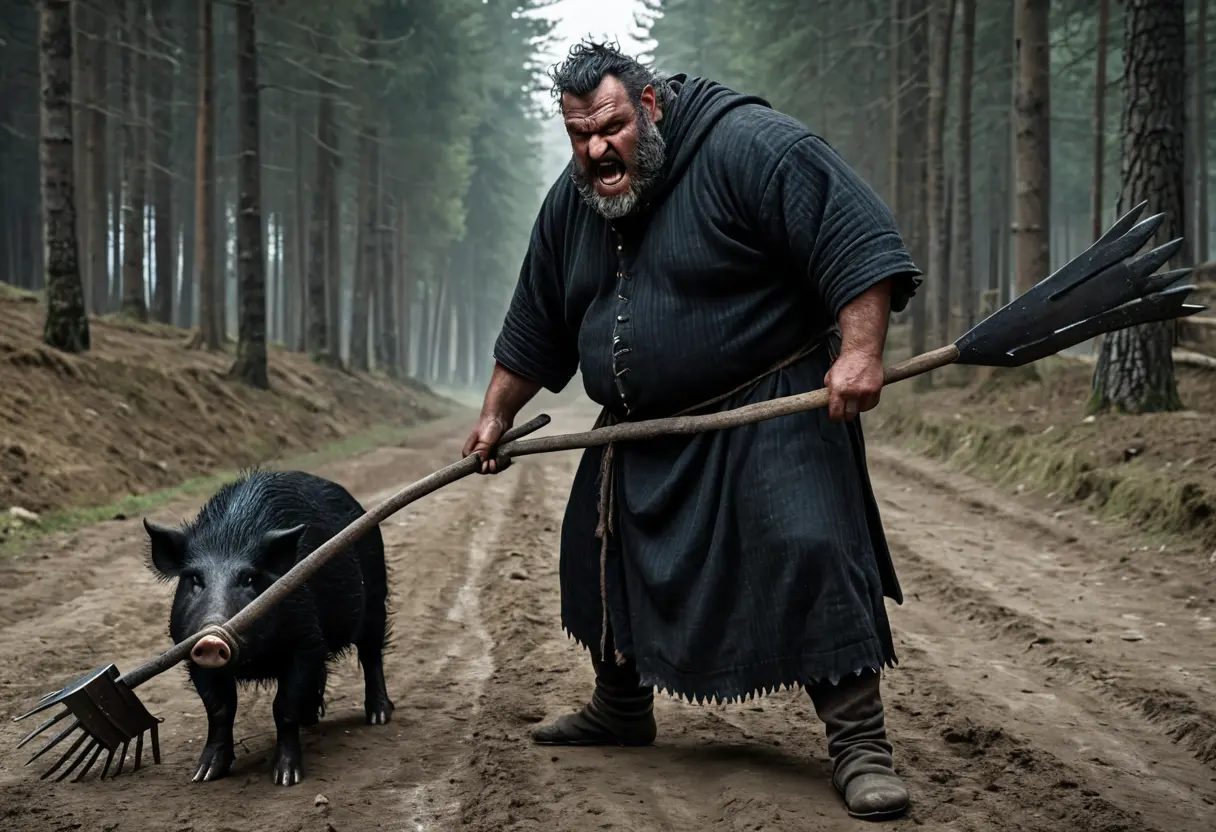
2. Sha Wujing: The Stoic Stabilizer Valuing Silence and Discipline
Sha Wujing is a stoic supporter who mitigates the clashes between Wukong and Bajie, serving as the party’s stabilizer. *Loss of the Curtain-Lifting General : Due to the “negligence” of breaking a celestial treasure—a glass vessel—he was exiled to the Flowing Sands River, where he underwent the harsh punishment of being pierced by ten thousand swords every seven days. *Sage of the Flowing Sands River : While often associated with the “Kappa” in Japan, in the original he is a fearsome river demon wearing a necklace of nine skulls. He is rational, patient, and always serve Xuanzang faithfully. His “inconspicuous but indispensable practical ability” has been passed down to the “Cool Tactician” or “Dedicated Guardian” archetypes in modern fantasy.
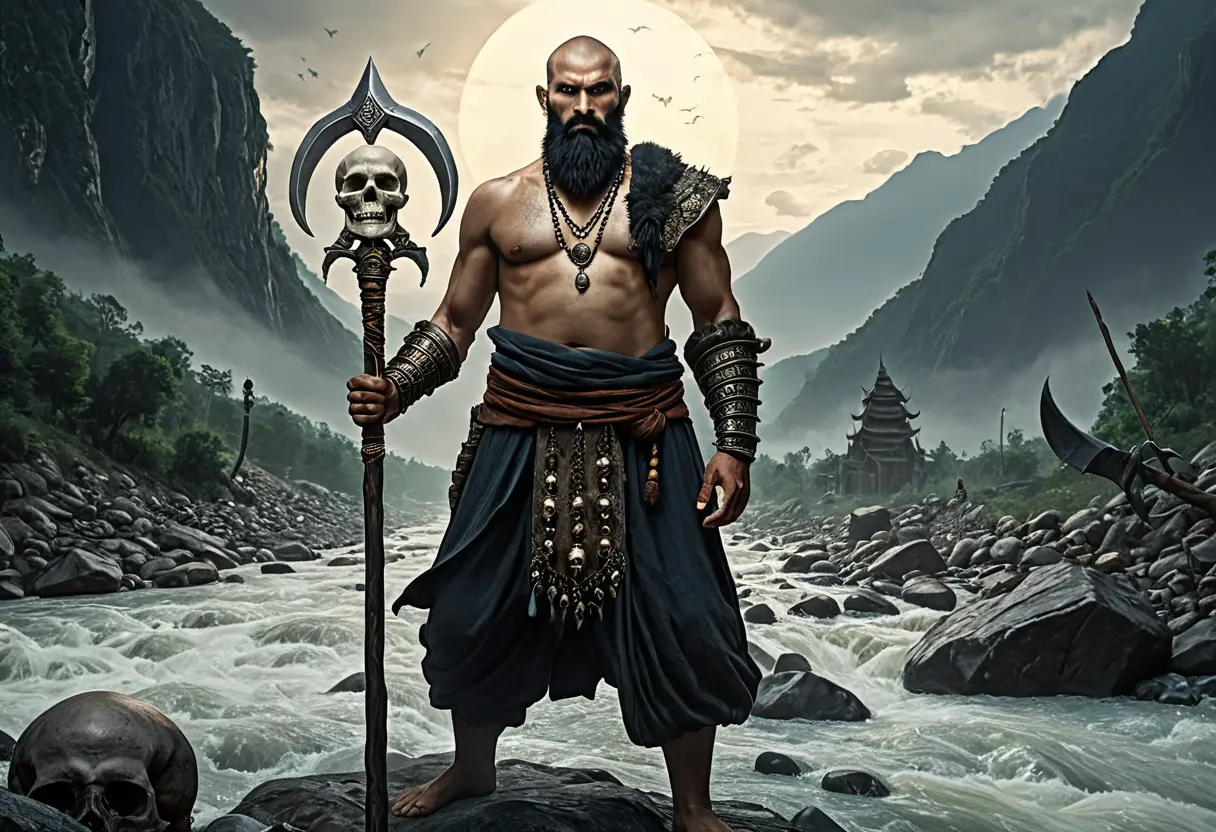
3. Party Dynamics: “Reality of the Journey” through Diversity
By having these two alongside Wukong, Journey to the West evolved from a mere “unbeatable power story” into a complex “human drama.” *Complementary Attributes : Wukong excels in aerial combat and transformation; Bajie brings underwater combat and physical durability; and Wujing handles rear support and luggage management (logistics). This division of labor (Role-playing) is the prototype for the Job System in modern games. *Sharing the Sin : All members are “exiles” from Heaven, bound by a common goal of salvation (attaining Buddhahood) at the journey’s end. Their clashes and occasional desire to slack off provide readers with “empathy for the weakness” of those moving toward an ideal.
4. Cultural Context: Why “Bajie” and “Wujing” are Necessary
We cannot all be geniuses like Wukong, but we feel a strong affinity for Bajie, who succumbs to desire, and Wujing, who stoically carries the burdens of daily life.
The reason Journey to the West is so universal is that under the “Will” of Xuanzang, “Power” (Wukong), “Desire” (Bajie), and “Duty” (Wujing) coexist and move in one direction—metaphorically expressing the process of a single human growing up.
▲ Back to Fantasy Dictionary Top