Tengu: The Masters of Divine Power and the Pitfall of Pride
In the mountains of Japan, there are two “Kings.” One is the Oni , who rules the earth through brute force. The other is the Tengu , who commands the sky through intellect and supernatural power (Shinjitsu-riki).
Dressed as mountain ascetics (Yamabushi) and controlling the winds with massive wings, they are more than mere monsters. They are the remnants of those who reached the “dead end of hubris” after intense training, and simultaneously, they are the personification of the “Spirit of the Mountain” itself.
1. Celestial Omens: From the “Heavenly Dog” to the Winged Sage
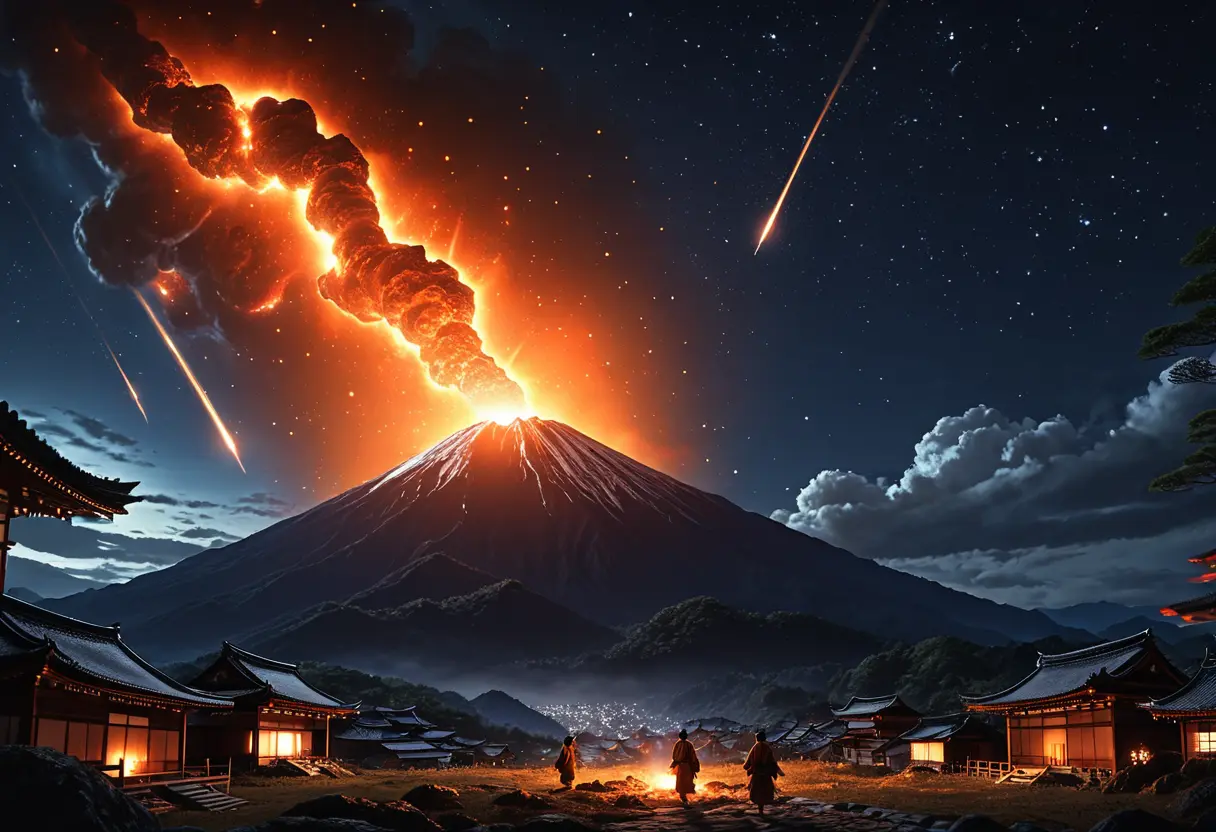
The name “Tengu” did not originally refer to a Japanese Yokai. *The Heavenly Dog (Tiāngǒu) : In ancient China, “Tengu” referred to a “Giant Meteor” that streaked across the sky with a roar. It was a sinister omen of war or famine. Because its sound resembled a dog’s bark, it was given this name. *The Birth of the Japanese Tengu : This image of a “flying anomaly” reached Japan and merged with indigenous mountain worship, the awe of birds of prey (like kites), and the image of reclusive ascetics. This fusion created the unique Japanese figure of the “winged humanoid with a long nose.”
2. The Tengu-dō: The “Elite Hell” of Failed Enlightenment
To understand the nature of a Tengu, one must understand the concept of the “Tengu-dō” —a special realm outside the standard six paths of rebirth in Buddhism. *The Price of Hubris : Many Tengu are said to be the reincarnations of monks or scholars who possessed great knowledge and power but were consumed by self-importance and looked down on others. *The Fallen Ascetic : They fell into this demonic realm just one step before attaining enlightenment because they could not discard their “Ego.” Therefore, Tengu often view Buddha as an enemy, sometimes acting as enforcers of divine punishment and sometimes as “Demon Kings” who tempt monks into failure.
3. Hierarchy and Martial Arts: From Karasu-Tengu to Sōjōbō
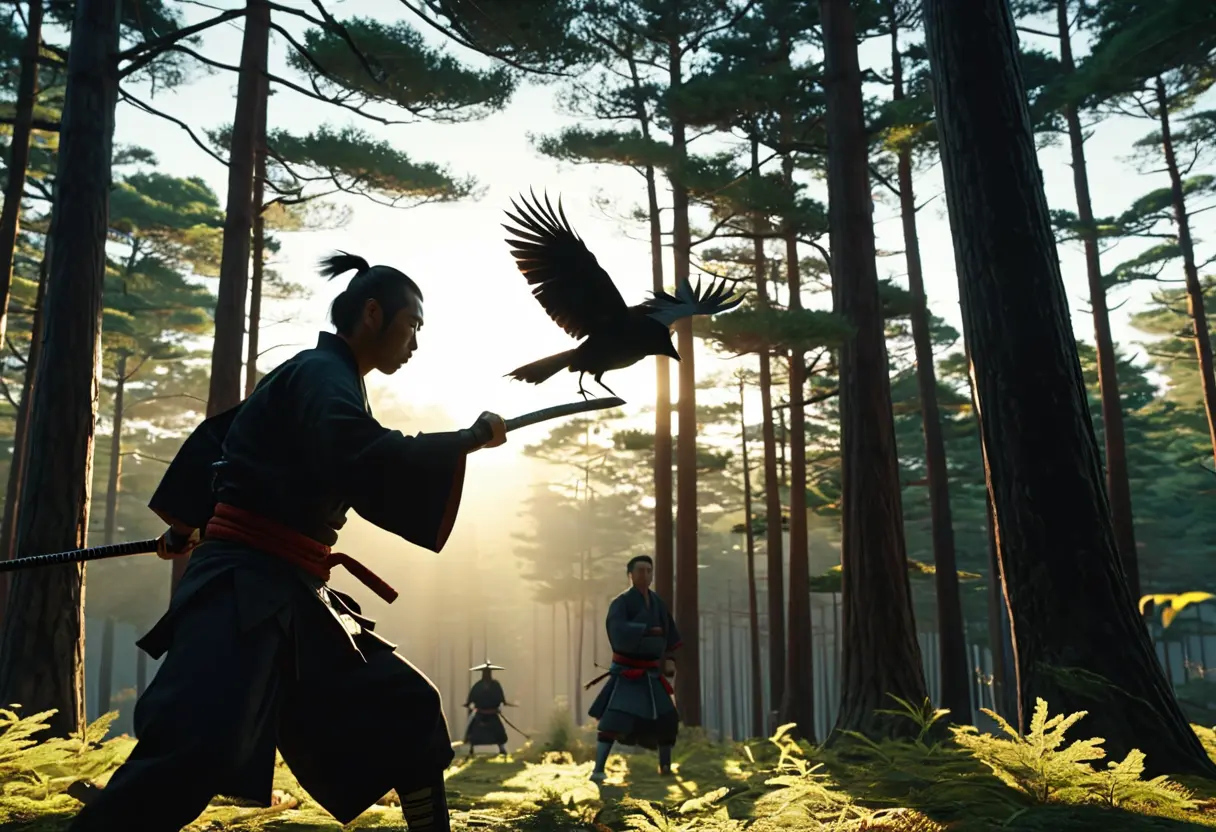
Tengu society has a clear hierarchy based on their power and rank. *Daitengu (Great Tengu) : The leaders with red faces and long noses. They possess immense wisdom and supernatural abilities, reigning as the lords of deep mountains. *Karasu-Tengu (Crow Tengu) : Lower-ranking groups with bird-like beaks. They serve as scouts or elite “martial arts masters” (Hee-ho) for the Daitengu. *The Master of the Sword : The legend of the Great Tengu of Mt. Kurama teaching swordsmanship to the young Ushiwakamaru (Minamoto no Yoshitsune) is famous. It illustrates that the Tengu is not just a monster but a “Master” of transpersonal skills gained through rigorous training.
4. Cultural Context: A Portrait of the Human Weakness of “Pride”
The Japanese phrase “Becoming a Tengu” (Tengu ni naru) is still used today to mean “becoming conceited.”
Tengu symbolize the universal human weakness of pride. Everyone wants to feel special after a small success. The Tengu stands as a comical yet terrifying warning of the “Hell of Isolation and Obsession” that awaits at the end of a long, growing nose.
*Oni : The contrasting figure representing physical power. *Minamoto no Yoshitsune : The legendary hero who defeated the Taira clan with skills learned from a Tengu. *Shugendō : The indigenous mountain asceticism that provided the visual and conceptual roots of the Tengu. *Kappa : The aquatic counterpart to the celestial Tengu.