Kappa: The Water-side Trickster and the Mirror of Forgotten Gods
The Kappa is perhaps the most iconic aquatic Yokai in Japanese folklore.
While widely recognized today as a “cute, green character,” its roots trace back to deep-seated fears of drowning, memories of lost ancient faiths, and the shadows of those who lived on the margins of society. The Kappa is a “mirror” that reflects the complex relationship between the Japanese people and their rivers.
1. Origins: From Divine “River Lord” to Fallen Mischief-Maker
The evolution of the Kappa is a story of “decline and adaptation.” *Fallen Water Deities : In folklore studies, the leading theory is that Kappa are “degraded Water Gods (Suijin).” Ancient Japan worshipped powerful river lords like “Kaho.” With the spread of Buddhism and societal changes, these once-mighty gods lost their authority and were “demoted” to Yokai who play pranks or cause minor disasters. *The Model of Ancient Engineers : Historically, it’s suggested that Kappa legends may have been inspired by foreign hydraulic engineers from the continent. Their “alien” appearance and mysterious skills in managing water and building bridges might have been interpreted as “aquatic monsters” by local populations. *The Ritual of Sacrifice : The famous “Kappa Komahiki” (Kappa pulling horses into water) legends are believed to be remnants of ancient rituals where horses were sacrificed to the water gods to ensure safety and fertility.
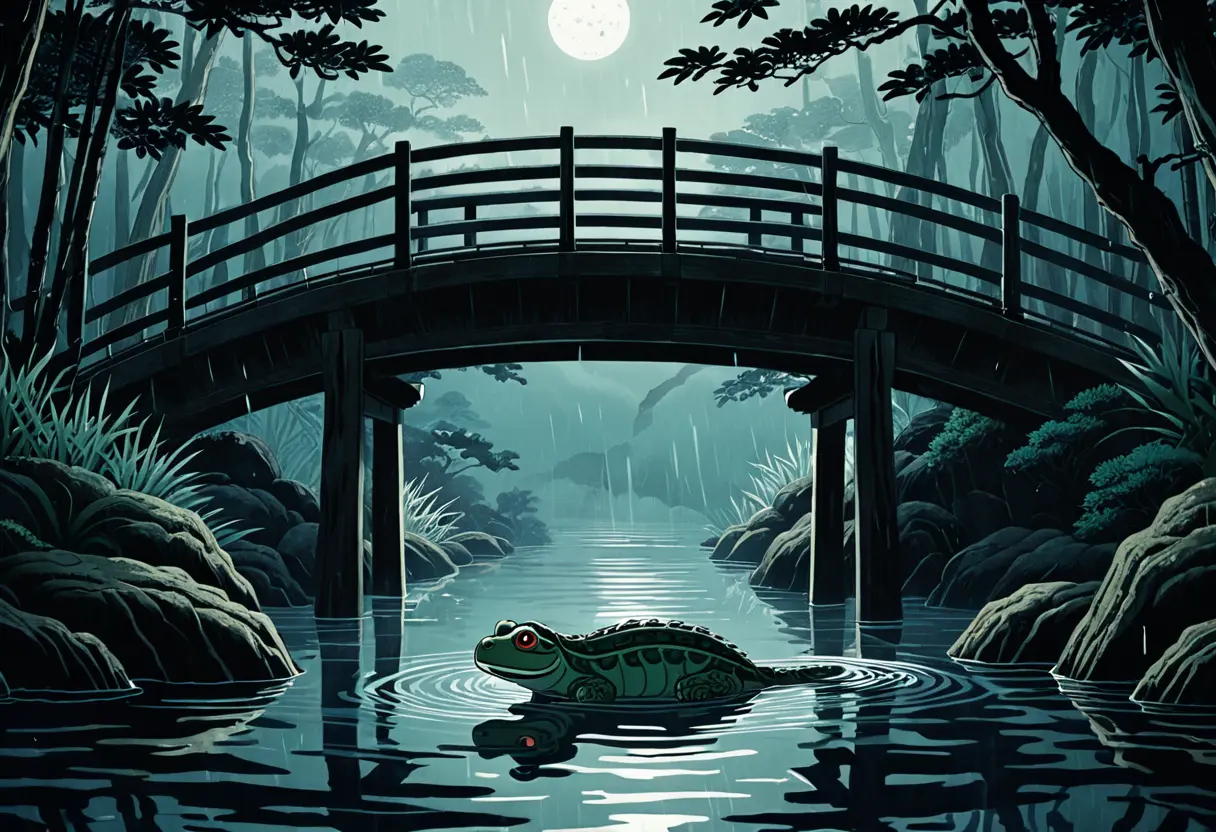
2. Anatomy and Tropes: The Logic of the “Miserly Monster”
A Kappa is defined by its unique and somewhat grotesque biological traits, which carry symbolic meanings. *The Dish (Sara) : The most critical part of its anatomy. This depression on top of its head must remain filled with water. If it dries, the Kappa loses its supernatural strength—a metaphor for how even a “god” is paralyzed when severed from its source. *The Shiri-ko-dama : A mythical organ located deep inside the human anus. Kappa are said to “pull” this out to steal one’s soul or vital energy. Medically, this is interpreted as a primitive explanation for the relaxed sphincters found in drowning victims. *Cucumbers and Sumo : Kappa are obsessed with Sumo wrestling and often challenge humans. They also love cucumbers, which were the traditional offerings made to water gods. *Etiquette and Honor : Despite being monsters, Kappa are famously polite. If bowed to, they must bow back, often spilling the water in their dish—a tragic flaw of “excessive civility” that humans exploit.
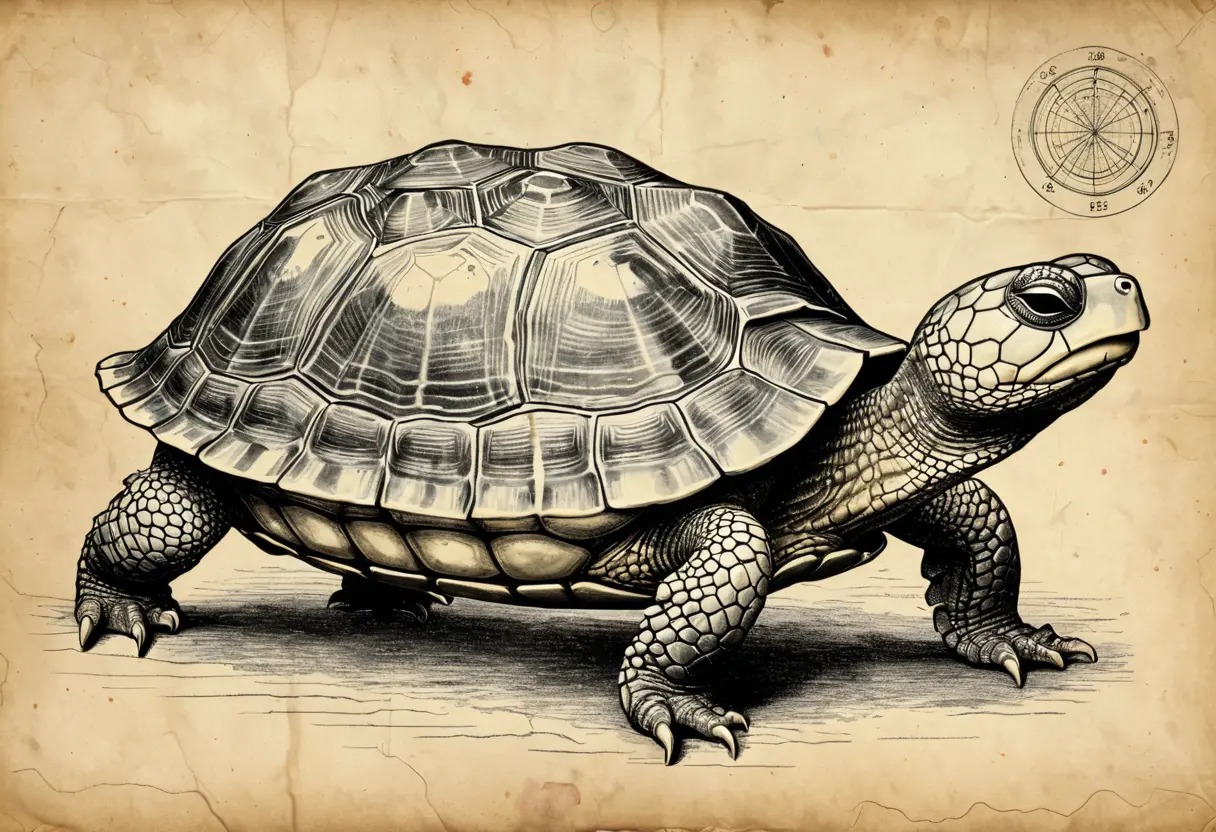
3. Cultural Context: The Journey to Modernity
The image of the Kappa has undergone a dramatic transformation in modern culture. *Social Satire : Ryūnosuke Akutagawa’s 1927 novella Kappa used the creatures’ society to satirize the emptiness and contradictions of contemporary Japan. The Kappa became a symbol of “the Other” used to critique human civilization. *The Ecological Mascot : Today, the Kappa has been reclaimed as a symbol of “protecting our clean waters.” From its representation in anime like Summer Days with Coo to its role as an eco-icon, the Kappa continues to survive by adapting its meaning to the needs of each era.
*Yokai Hub : Explore more neighbors from the Japanese Otherworld. *Oni : The terrestrial counterpart to the aquatic Kappa. *Water Spirits : Compare with Kelpies and Nixies from around the world. *Kisaragi Station : Modern Japanese gateways to the bizarre.