Treasures of the Aesir: Loki's Wager and Dwarven Mastery
In Norse mythology, the powerful weapons and magical items were rarely created through careful planning in times of peace. They were almost always the result of a “Damage Control” plan following one of Loki’s disasters, or the outcome of a “Life-or-Death Wager” he initiated among the masters of the subterranean world: the Dwarves.
1. The Catalyst: Sif’s Gold and Loki’s Blight
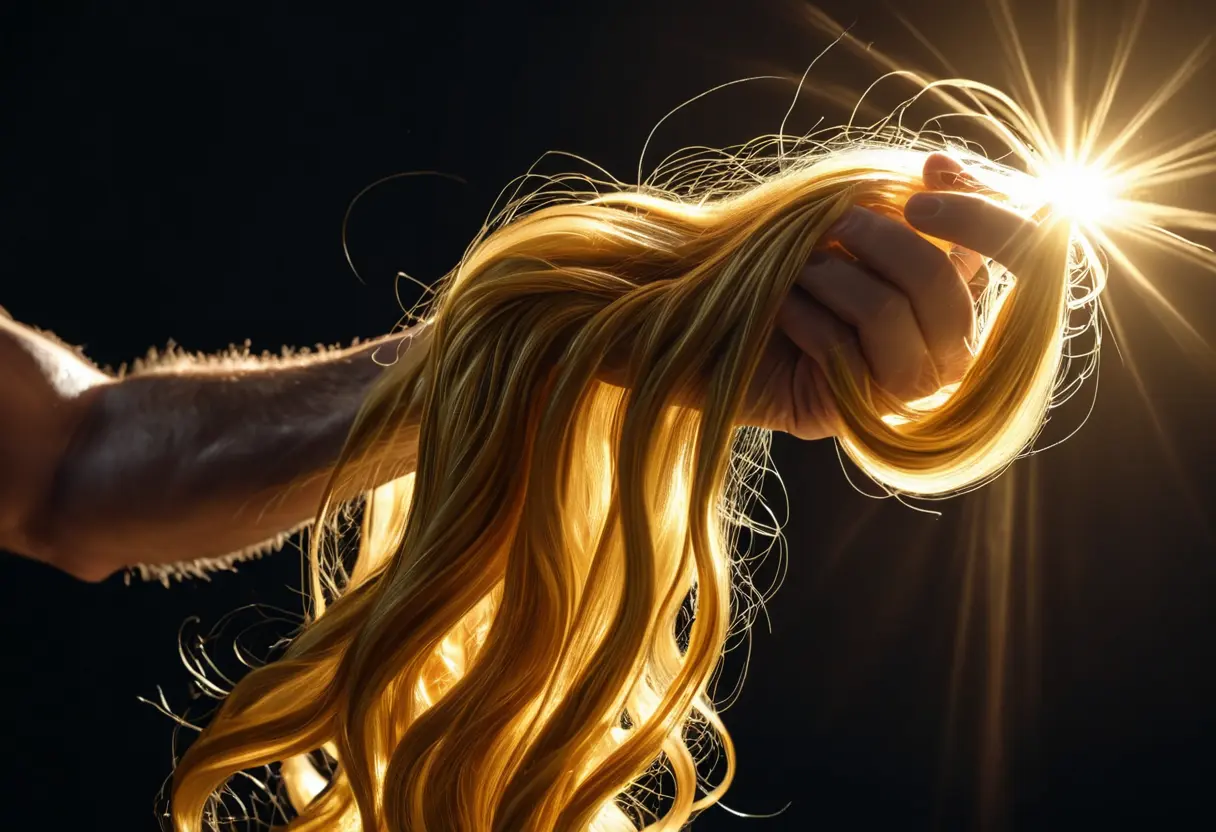
It all began when Loki, in a fit of inexplicable malice, sheared off the beautiful golden hair of Sif, the wife of Thor. To escape the wrath of the Thunder God, Loki rushed to the dwarves, promising to have a replacement hair made that would grow like the real thing. *The Rivalry of the Smiths : Loki first visited the “Sons of Ivaldi,” who crafted the hair. But Loki, never satisfied with a simple solution, visited another set of masters—Brokkr and Eitri. He taunted them, claiming they could never surpass Ivaldi’s work, and wagered his own head on a forging competition.
2. The Six Masterpieces: Artifacts that Defined the Cosmos
This competition resulted in six items that would solidify the power structure of Norse mythology.
Works of the Sons of Ivaldi
Sif’s Golden Hair : Pure gold that grew like natural hair once placed on the scalp.
Skíðblaðnir : The ship of Freyr. It was large enough to carry all the gods, yet it could be folded like a handkerchief and placed in a pocket. It always benefited from a fair wind.
Gungnir : The spear of Odin. Designed to be “Unfailing” and to govern oaths.
Works of Brokkr and Eitri
Gullinbursti : The golden boar of Freyr. It could run faster than any horse through sky and sea, its bristles illuminating the darkest night.
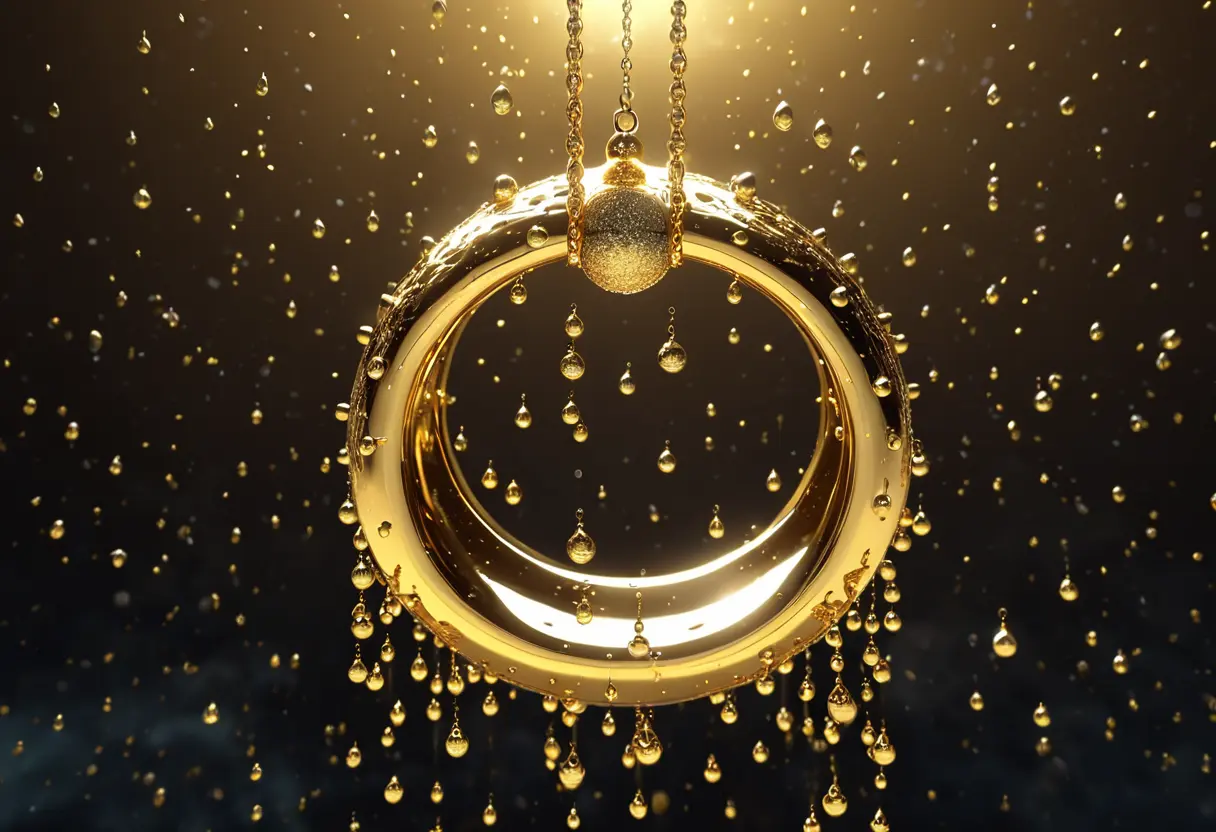
Draupnir : The golden arm-ring of Odin. Every ninth night, eight other rings of equal weight would drip from it—a symbol of “Infinite Wealth.”
Mjölnir : The hammer of Thor. Despite its short handle caused by Loki’s sabotage, it possessed the greatest destructive power in the universe.
3. The Aftermath: The Art of the Loophole
When the gods (Odin, Thor, and Freyr) judged the items, they declared Mjölnir the winner for its ability to protect Asgard from the giants. *Loki’s Escape : When the dwarves came to collect Loki’s head, the trickster argued, “I wagered my head, but not the ‘Neck’ connected to it. Take the head if you can without touching the neck.” Infuriated by this pedantry, the dwarf Brokkr instead sewed Loki’s lips shut with a leather cord.
4. Cultural Context: Items as Drivers of Destiny
In Norse myth, a treasure is not just a possession.
Gungnir is Law; Draupnir is Wealth; Mjölnir is physical Protection. They are the materialization of the divine authority of the All-Father and his kin. The cycle of how these items are gained, used, and eventually lost (at Ragnarök) forms the very heartbeat of the Norse mythic cycle.
*Dwarves : The subterranean race that forges the destiny of the gods. *Loki : The architect of every great treasure and every great disaster. *Ragnarök : The final battle where these treasures fulfill their destiny and fade into memory.