TRPG Guidelines: Navigating the Living Cthulhu Mythos
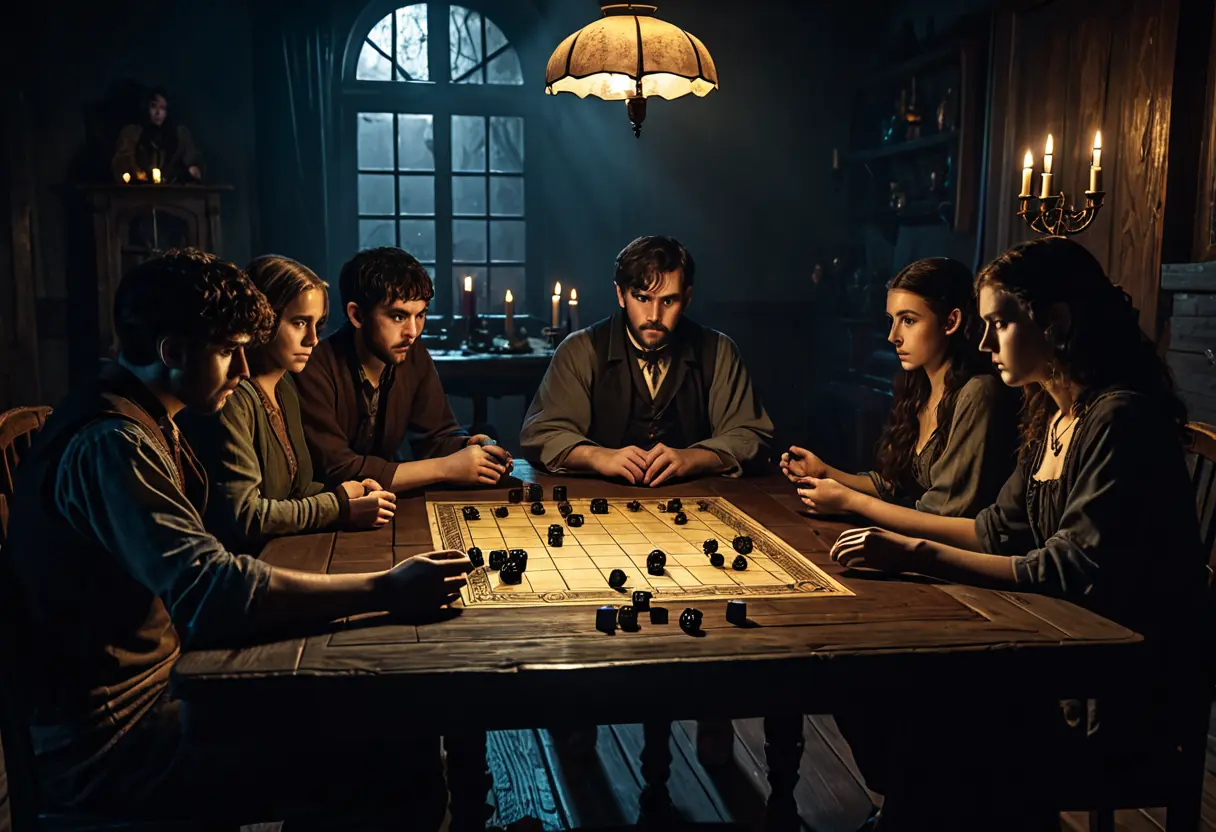
In the modern era, the most active “Frontline” of the Cthulhu Mythos is not in literature, but in Tabletop Role-Playing Games (TRPGs) .
Through games like Call of Cthulhu, the Mythos has transformed from a static classic into a dynamic, interactive folklore. This page outlines the history of this evolution and the guidelines for those who wish to create their own stories within the abyss.
1. The Call of Cthulhu TRPG: Gamifying Madness
The Call of Cthulhu (CoC) system, published by Chaosium , is the most influential adaptation of Lovecraft’s work. *The SAN (Sanity) Mechanic : The game’s most revolutionary feature. It turned “Mental Trauma” into a numerical resource, making players struggle to maintain their humanity while uncovering forbidden truths. *The Transition of Heroism : Unlike high-fantasy TRPGs (like D&D) where characters become gods, in CoC, characters (“Investigators”) move inevitably toward death or madness. The game is about “How you choose to go out.” ## 2. The Cultural Boom in Japan
Interestingly, TRPGs—specifically Call of Cthulhu—have experienced a massive, unique boom in Japan, largely driven by “actual play” (Replay) videos on platforms like YouTube and Niconico. *The “Scenario” Culture : A vast community of fan creators produces high-quality scenarios that blend Lovecraftian horror with modern Japanese settings, school lores, and social issues. *Narrative Divergence : While Western play often focuses on investigative realism, Japanese play frequently emphasizes emotional bonds and dramatic “Sacrifice” narratives—a sub-genre sometimes called “Inscrutable/Emotional Cthulhu” (Emot-Cthulhu).
3. Creative Guidelines & Copyright
While many core elements of the Mythos are in the Public Domain , the TRPG systems and specific copyrighted terms belong to their respective owners.
For Fan Creators & Streamers *Chaosium Fan Material Policy : Generally encourages fan-made scenarios and replays, provided they are non-commercial. Always credit the game system used. *Japanese Guidelines (Arclight / Chaosium) : Due to the massive scale of the Japanese market, specific guidelines exist regarding monetized streams or self-published scenarios (on platforms like BOOTH). Always check the latest “Second-hand Creation Guidelines” (二次創作ガイドライン). *The “Core” vs. “Brand” : You can freely use “Cthulhu” or “R’lyeh,” but using specific trademarked game mechanics (like the literal 7th Edition character sheet) in commercial products requires a license.
4. Summary: The Abyss is Yours to Write
The Cthulhu Mythos is no longer just “Lovecraft’s world.” It is a Collaborative Mythos updated by every game master and every player during their sessions.
The most important guideline is not legal, but Respect for the Cosmic Dread . Whether you are playing a light-hearted parody or a soul-crushing tragedy, the core follows the “Open Source” spirit Lovecraft started eons ago: the abyss is always open, and it is always hungry for new stories.
*Copyright & Modern Media : Deep-dive into the legal history of the Mythos. *The SAN Value: A Psychological Analysis : How game mechanics reflect real-world trauma. *The Cthulhu Mythos index : Back to the roots.