The Paladin: The Shield of the Absolute and the Living Oath
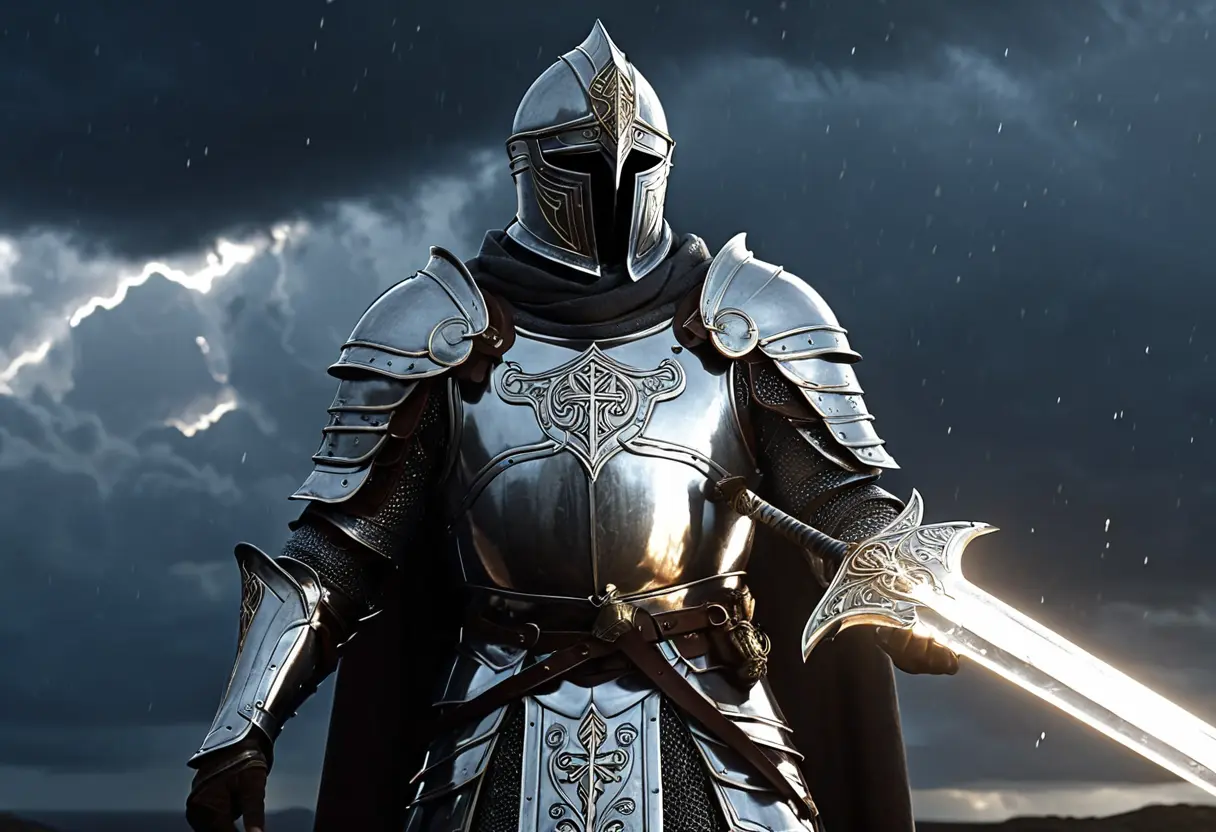
In the world of fantasy, the Paladin (Holy Knight) is more than just a heavy-armored soldier. They are the guardians of a “Sacred Oath” (Vow) engraved into their very soul.
They draw supernatural power not from a book or a study, but from the purity of their own conviction. In a chaotic battlefield, the Paladin functions as a physical “Firewall”—an unbreakable barrier of light that protects the weak and deletes evil through a literal manifestation of “Justice.”
1. Etymology: The Peerage of the Palatine Hill
The name “Paladin” originates from the Palatine Hill (Palatinus) , one of the seven hills of ancient Rome. *The Emperor’s Inner Circle : The hill was the site of the imperial palace, and the high-ranking officials and guards serving there were called “Palatinus.” *The Twelve Peers : The term was cemented in European legend through the Twelve Peers of Charlemagne . Knights like Roland (of the Song of Roland) and the adventurer Astolfo were the “Shields of Christendom”—icons of high nobility and unshakeable loyalty that defined the archetype for centuries.
2. Prototype: Galahad and the “Miracle of Purity”
The mechanical set of a Paladin—healing, smiting, and aura of protection—is heavily derived from Galahad , the “Purest Knight” of the Arthurian legends. *The Holy Grail : Among the Knights of the Round Table, Galahad was the only one who attained the Holy Grail. His power to “Heal with a touch” and “Repel evil thoughts” was extracted and systematized in RPGs as the Lay on Hands and Divine Smite abilities. *The Execution of Law : Their “Divine Smite” is not just a hard hit; it is a Direct Judicial Command issued by the divine law (system) against the target’s sin.
3. The Source: From Religion to the “Absolute Vow”
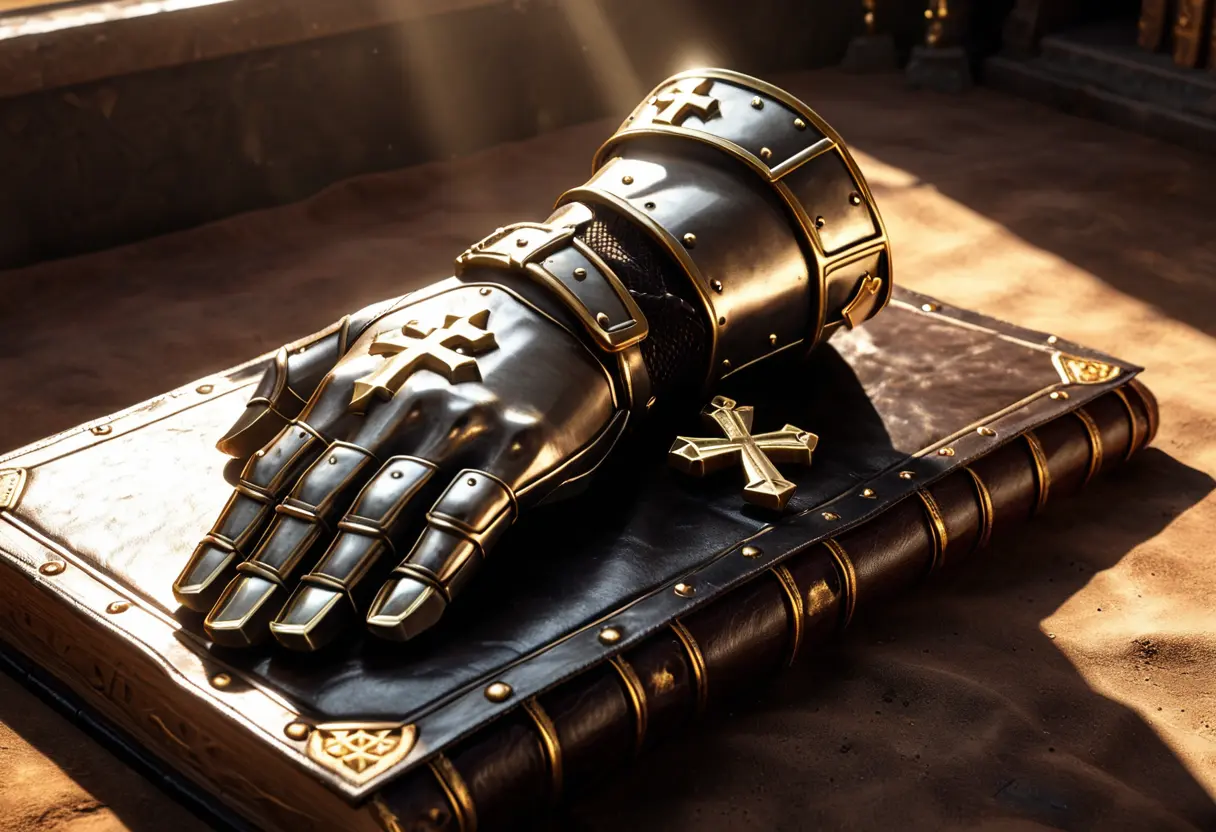
In modern fantasy, a Paladin’s power does not always require a specific god. Instead, it is fueled by the “Oath” itself. *The Power of the Word : Whether it is an Oath of Devotion, Vengeance, or the Ancients—the Paladin’s belief in a specific set of rules is so strong that it overrides physical reality. *The Oathbreaker : If the Vow is broken, the Paladin suffers a total “System Failure,” losing their light or turning into a “Dark Knight.” This extreme volatility gives the Paladin a unique tension and tragic weight compared to other classes.
4. Cultural Reflection: The Warden of Absolute Values
In a modern world dominated by relativism, the Paladin—who proclaims “Absolute Justice”—can be both a source of hope and a source of dread.
Their unwavering stance represents our own desire to “Be Right,” but also serves as a mirror to the “Cruelty of Absolute Truth.” The Paladin is the most noble and the most dangerous warrior—the one who wields the concept of “Goodness” as a lethal weapon.
*The Cleric : The partner in faith—weighted more toward “Mercy and Ministry.” *The Dark Knight Archetype : An analysis of those who fall from the light. *Lays of Charlemagne: The Twelve Peers : From ‘The Song of Roland’ to modern games. *Chivalry vs. Bushido : Comparative study of the “Vow” in the East and West.