The Monk: The Microcosm of Ki and the Master of Internal Logic
In a Western fantasy setting of knights and dragons, the Monk (Martial Artist) is an outlier—an exotic but powerful presence.
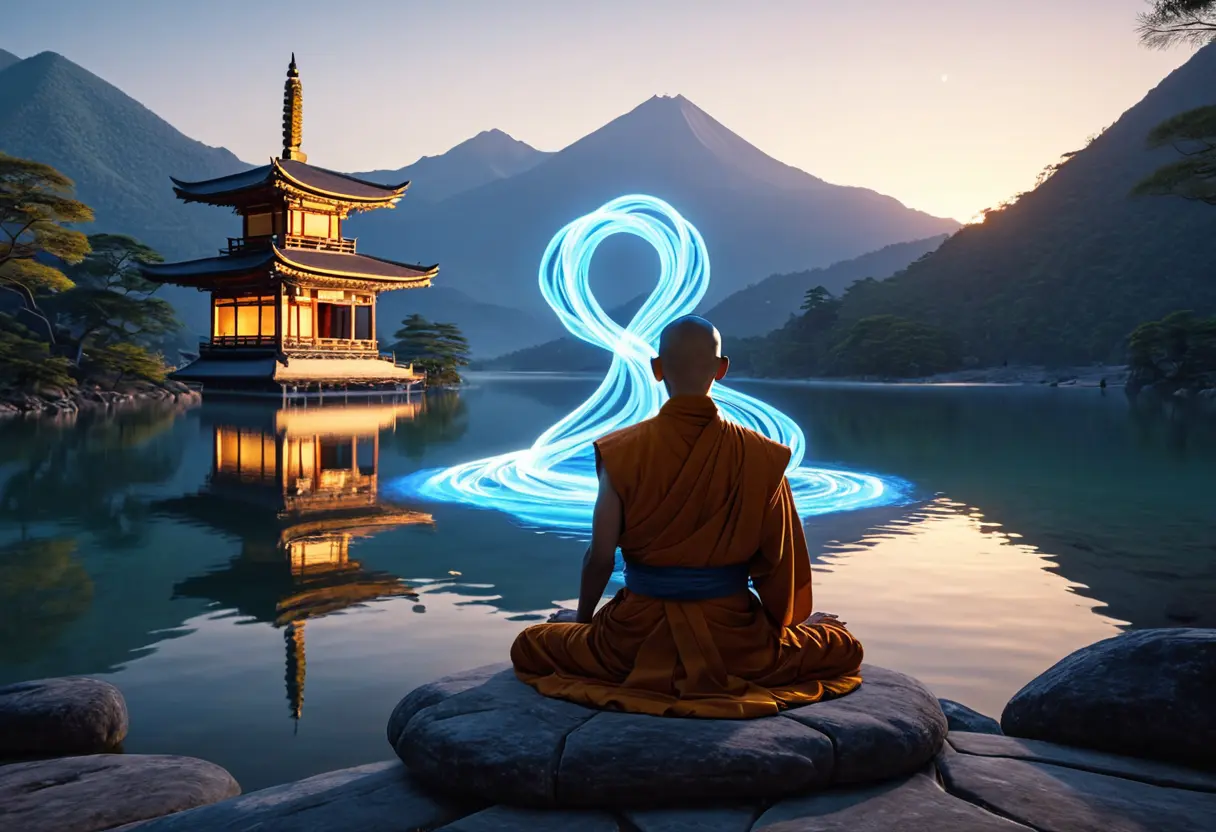
While the Wizard relies on external mana and the Fighter relies on steel, the Monk relies on their Inner “Ki” (Energy) . Their body is no longer just a biological vessel; it is a precision-engineered Microcosm capable of temporarily overwriting the laws of physics. The fact that the Monk is strongest when they “own nothing” is the ultimate paradox of their stoic philosophy.
1. Prototype: The Kung Fu Boom of the 1970s
Why do “Shaolin” masters appear in European-style fantasy? The reason is the massive Martial Arts Boom in the 1970s United States. *Cinematic Export : The global hits of Bruce Lee (e.g., Enter the Dragon) and the TV show Kung Fu starring David Carradine created the icon of the “Empty-Handed Eastern Master.” *The D&D Interface : In response to this cultural trend, the Monk was added to D&D’s early supplements (1975) as a specialized religious assassin/martial artist. This completed the unique genre-mix where the Western Knight and the Eastern Monk coexist in the same party.
2. Dynamics: The “Ki” and the Architecture of Wuxia
The technical backbone of the Monk is rooted in Chinese Wuxia (Martial Hero) literature and Daoist practices. *The “Internal Work” (Neigong) : By opening the body’s channels (Chakras) and controlling blood flow and nerves, the Monk can perform self-healing, neutralize poisons, and add explosive mass to a single punch. *Physics Bypassing (Qinggong) : Running vertically up walls or falling hundreds of feet without injury. These are treated as moments where the Monk’s Mental Will ignores the physical “Bug” of gravity.
3. The Aesthetics of the “Pure Machine”
The Monk functions as an anti-thesis to Materialism (the hunt for better swords and harder armor).
In many RPGs, the Monk’s armor class increases as they remain unarmored. This represents the idea that their perception and reflexes have reached a level where “Physical Hardness” is obsolete. They have optimized their own “Firmware” (the brain and body) so perfectly that they no longer need external “Hardware.”
4. Cultural Reflection: The Mastery of Order
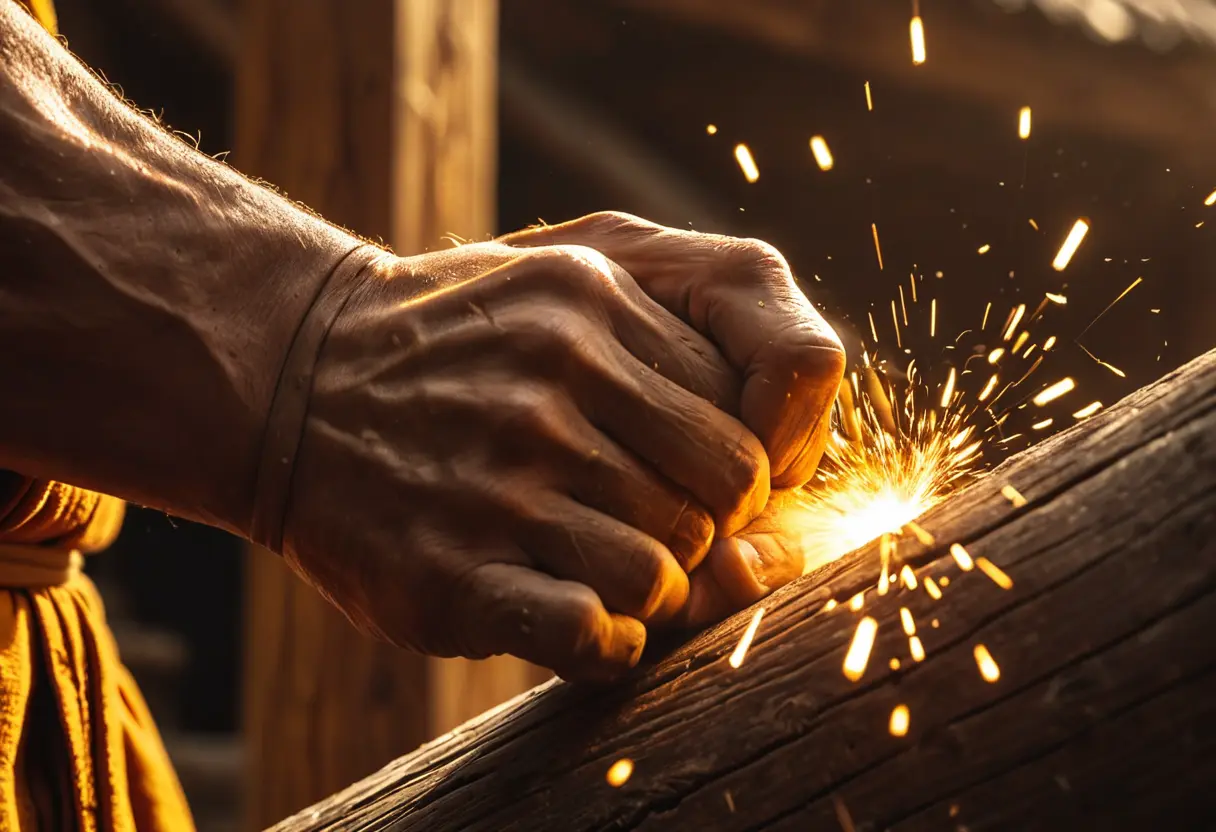
In the chaos of a dungeon or the stress of modern life, the Monk represents Internal Order .
While others are panicked, the Monk is breathing. Their presence suggests that the ultimate weapon is not a holy sword, but a stabilized mind. The Monk is the hero of the “Self”—the one who proves that the greatest empire to conquer is the one within.
*The Cleric : The comparative “Monk” of the West—focused on external faith. *The Ten Bulls: The Process of Enlightenment : Why the Monk seeks the “Void.” *History of Wuxia Literature : How flying masters were mythologized. *Roots of the Ninja : The intersection of stealth and unique martial tools.