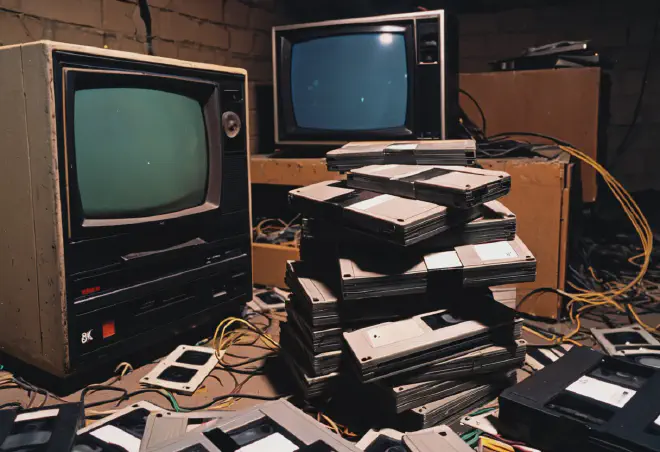
When a piece of media—a cartoon, a commercial, a video game—becomes inaccessible to the public, it becomes Lost Media . These are not just “old things”; they are fragments of our history that exist only in the shifting sands of human memory, lacking any objective proof of their existence in the physical world.
The Three Abysses of Absence
The community of “Lost Media Hunters” categorizes these missing pieces into three distinct levels of disappearance:
- Physical Loss :
Items that were physically destroyed or overwritten. This includes early television broadcasts (before recording was standard), deleted Flash animations, and home movies lost to fire or decay. Their only hope for recovery is a “miracle find” in a dusty attic or an old hard drive.
- Institutional Redaction (The Vaulted) :
Media that still exists as data but has been “buried” by governments, corporations, or creators due to legal, ethical, or PR reasons. These are the “Information Black Holes”—we know they are there, but we are forbidden from seeing them.
- The Phantom Memory (Mandela Media) :
The deepest part of the mystery. These are works that people believe they saw, but for which there is no evidence they ever existed. This search for “ghosts” often creates new urban legends, where the passion for the missing item actually manufactures a fake history.
Why We Hunt for the Missing
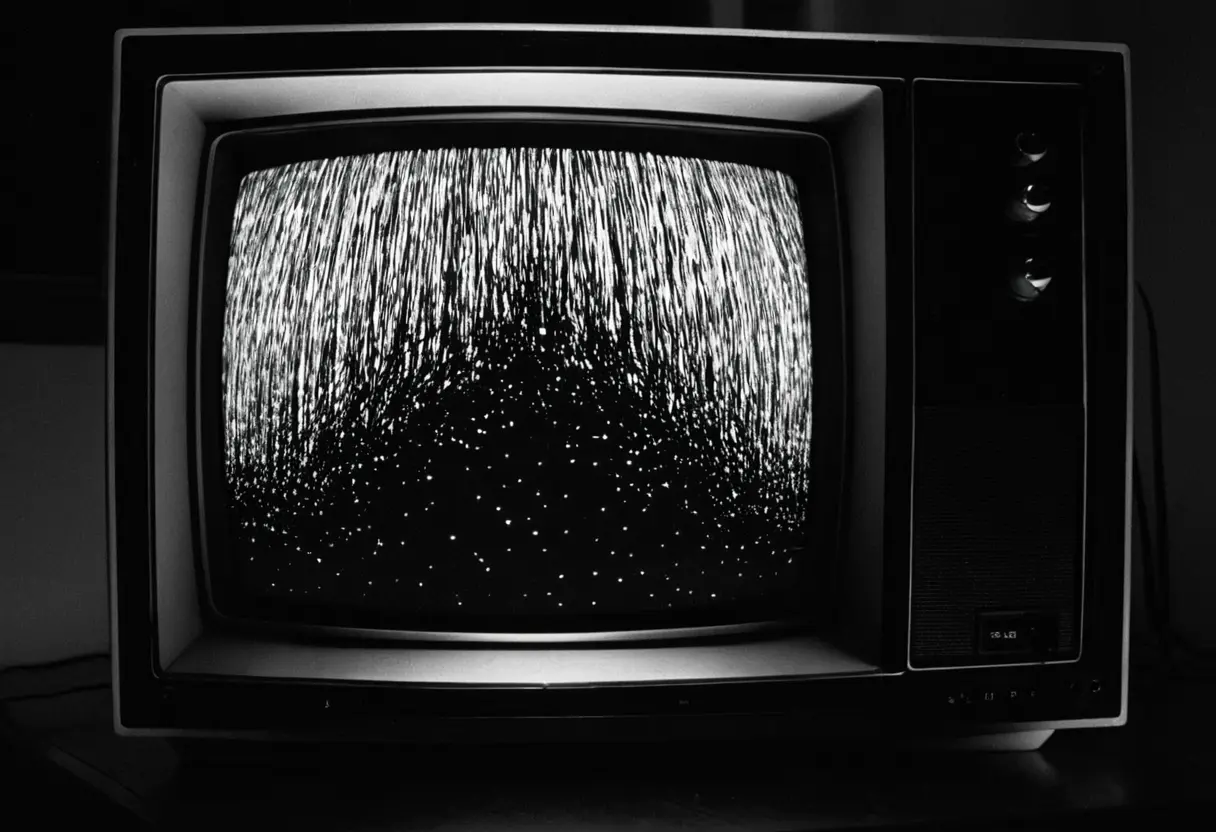
The obsession with Lost Media is a reaction to the fragility of our own identities. When a search returns “0 results,” it feels like a denial of our own past experiences. We hunt for these missing videos because we want to prove that our childhoods happened, that our memories are real, and that the world hasn’t simply been re-written overnight.
In this archive, we catalog the missing broadcasts, the cursed software, and the deleted artifacts that have slipped through the cracks of the 21st century.