Liminal Spaces: Gaps in the Real World
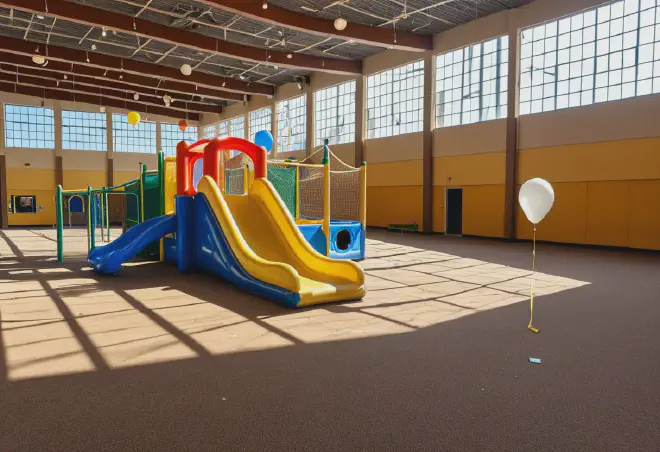
A Liminal Space is a “transitional” or “threshold” area that feels eerie because it is experienced out of context. It is the real-world foundation upon which the mythology of the Backrooms was built.
1. The Anatomy of a Liminal Location
What makes a specific photo of an empty hallway go viral as “Liminal”? It usually contains a combination of the following architectural and visual “glitches”: *Artificiality : Spaces that look like they were built by an algorithm rather than a person. Perfectly repeating patterns, overly smooth surfaces, and a lack of distinctive “human” touches. *Outdated Modernity : Environments that look like they belong to a specific era (often the 1990s or early 2000s) that is just far enough in the past to feel “ghostly” but not yet “vintage.” *Extreme Stillness : An environment designed for movement (like a highway or a terminal) that is perfectly, unnaturally still. This triggers our Kenopsia —the sense of a hollow place.
2. Real-World Examples of the Glitch
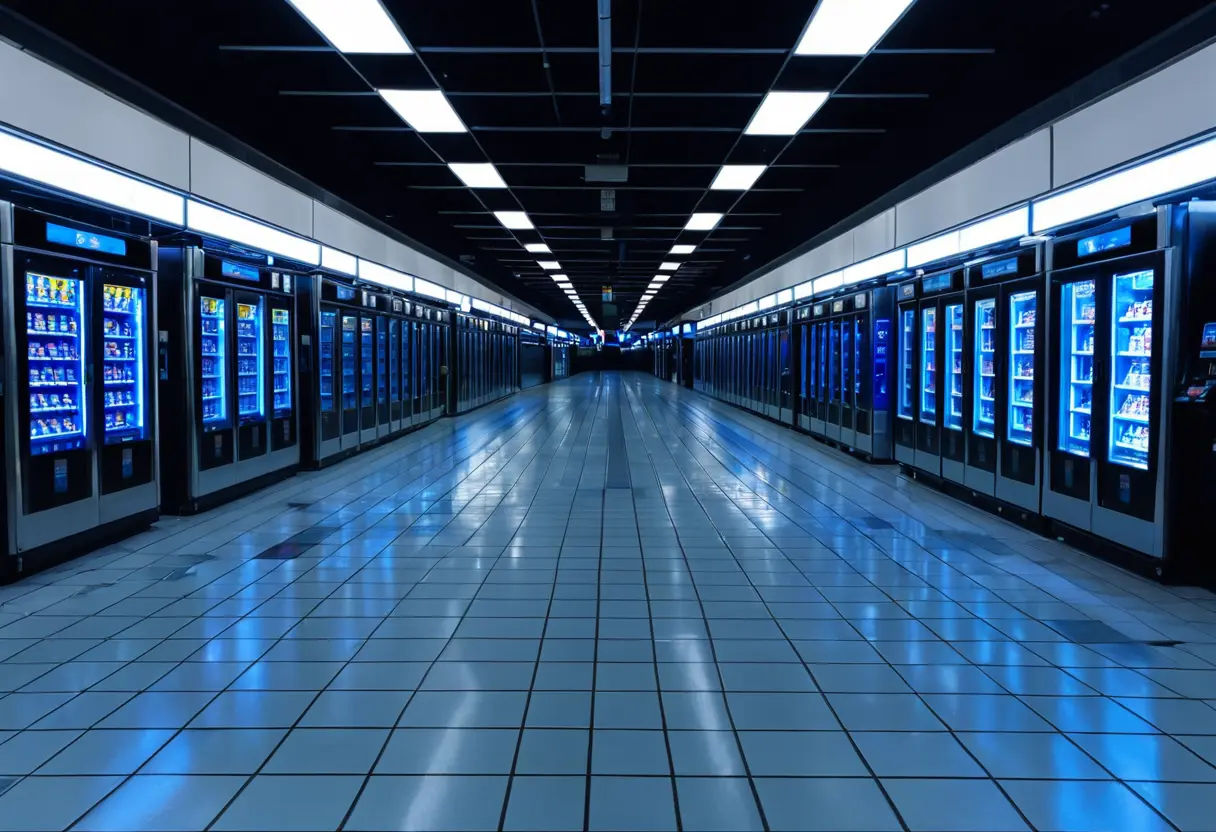
Certain locations are “naturally” liminal. They act as the physical gateways to the feeling of “noclipping”: *The Dead Mall : Vast, echoing spaces with 80s neon and fake plants, where the “future” promised by 40 years ago has finally died. *The School at Night : The classrooms that were once filled with energy are now silent, occupied only by empty desks and the smell of floor wax. *The Hotel Corridor : A place where every door looks the same, and the lack of windows makes it impossible to tell what time—or what year—it is.
3. The Mirror of the Subconscious
Psychologists suggest that our fascination with Liminal Spaces is a reaction to the Over-Connected World .
In our daily lives, we are constantly stimulated, tracked, and engaged. A Liminal Space provides a rare, albeit terrifying, moment of Absolute Isolation . It is a place where “Productivity” doesn’t exist. In the silence of a midnight airport, you are no longer a “User” or a “Customer”—you are just a witness to the void.
4. Don’t Stay Too Long
There is a reason we feel the urge to keep moving through a liminal space.
Biologically, we are social animals; a place designed for humans that is currently devoid of them
signals Danger . Our brains tell us that something happened here—and that we should leave before whatever it was comes back.
The next time you find yourself alone in a transitional space, take a moment to really look at it. Feel the weight of the air. Notice the hum of the electricity. But whatever you do, don’t close your eyes. In a liminal space, the world only exists as long as someone is there to observe the glitch.