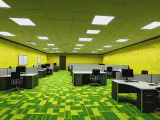
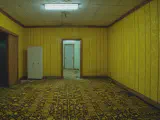
Imagine being the only person left in a massive shopping mall that should be bustling with people. Or standing in a deserted airport terminal at midnight, where the fluorescent lights stretch into an infinite, silent distance. Liminal Horror is more than just a ghost story; it is a clinical, introspective fear born from the “wrongness” of a space itself. It is a digital movement that began with image memes in the late 2010s and evolved into a definitive aesthetic category of the modern age.
The Three Psychological Abysses of Liminality
The power of Liminal Horror lies in three distinct psychological concepts that glitch the human brain:
- Liminality (The Transitional State) :
Derived from the Latin word limen (threshold). Hallways, stairwells, and waiting rooms are designed to be “passed through.” When you are trapped in these spaces, and they lose their functional purpose (transit), your brain experiences a severe cognitive dissonance.
- Kenopsia (The Eerie Stillness) :
The atmosphere of a place that is usually crowded but is now abandoned. An empty food court, chairs left unorganized, or a dusty playground. The “presence of absence” is what makes your skin crawl.
- Anemoia (Nostalgia for a Time You Never Knew) :
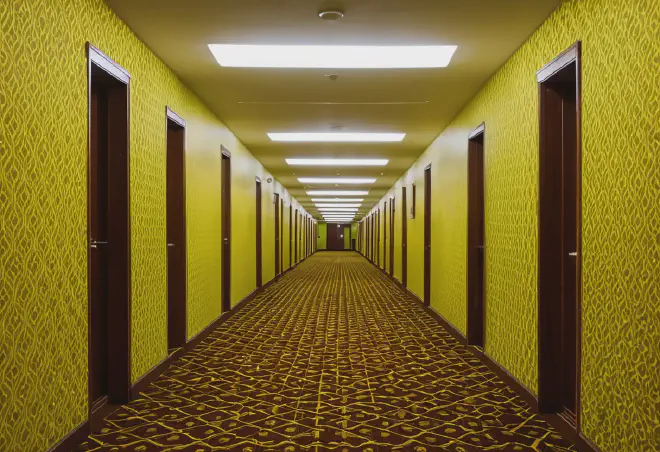
A strange longing for a period or local history you never experienced. 1990s offices, faded carpets, and the buzzing of old lights trigger fragments of “dreams you might have had,” amplifying a sense of unplaced anxiety.
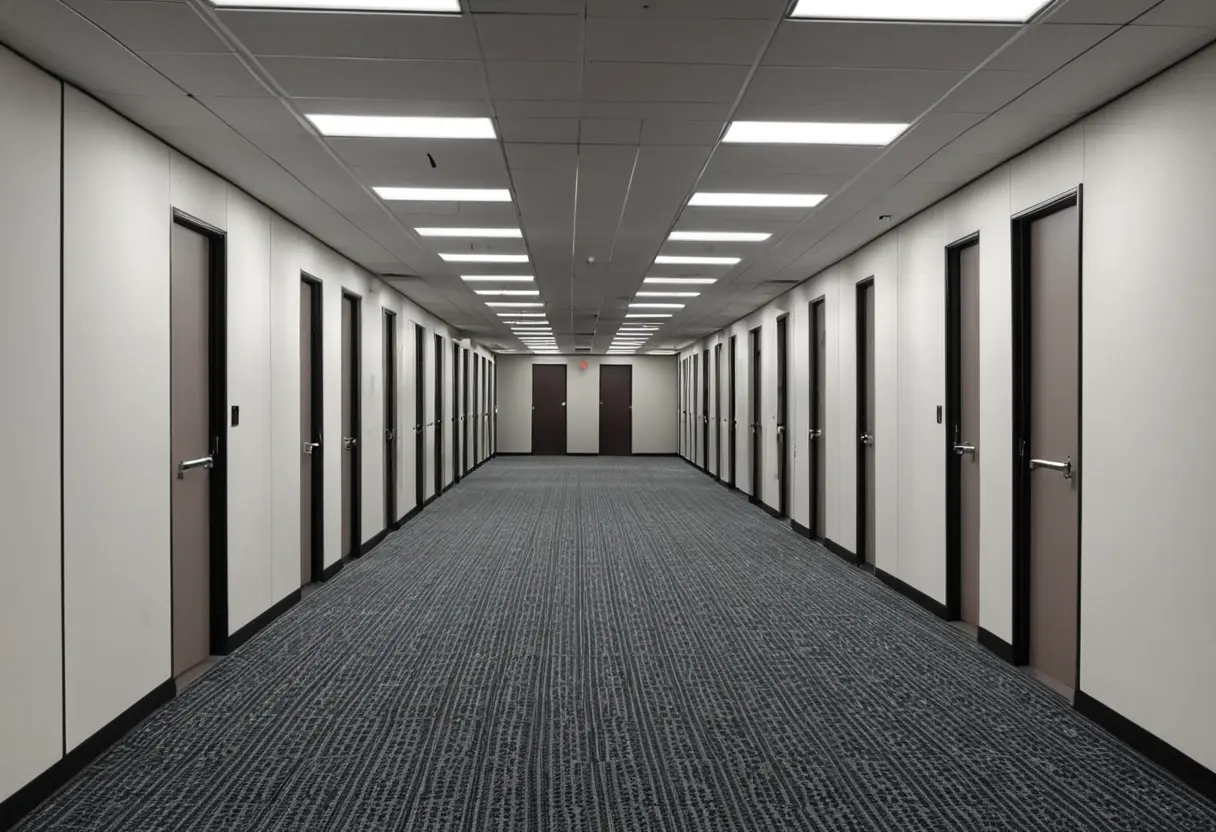
Into the Maze of Entropy
The internet was once a tool to fill the gaps in our reality. But in the world of Liminal Horror, those “gaps” have mutated and grown like a cancer, swallowing reality into a series of glitches and empty rooms.
If you ever find yourself taking a wrong turn and ending up in a place where the wallpaper is a sickly yellow and the lights never stop buzzing… the archives below may be your only map.