The Momo Challenge: The Faceless Viral Panic
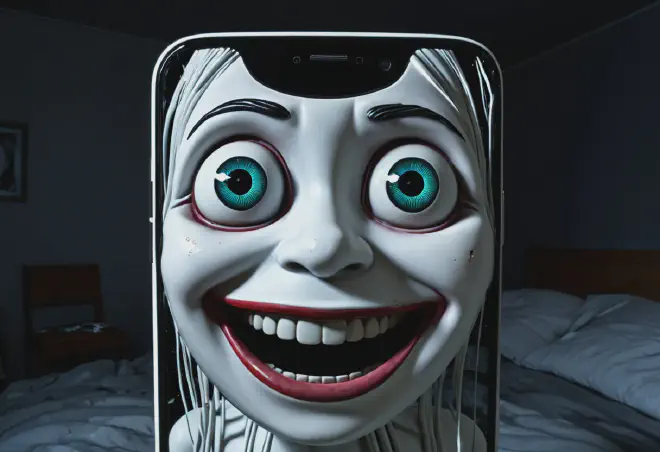
The Momo Challenge stands as a textbook example of a Moral Panic in the age of social media—where the fear of a phenomenon became more dangerous than the phenomenon itself.
1. The Myth: Orders from the Bird-Woman
According to the viral rumors, Momo would contact children through hidden numbers or appear as an ad in the middle of “innocent” children’s videos. She supposedly issued a series of “challenges” that escalated from minor mischief to severe self-harm and eventually, suicide.
The core of the fear was “The Threat”: if a child refused to obey, Momo would “visit” them at night and harm their family. This simple, effective hook sent shockwaves through schools and households across the globe.
2. The Truth: The Stolen Art of “Mother Bird”
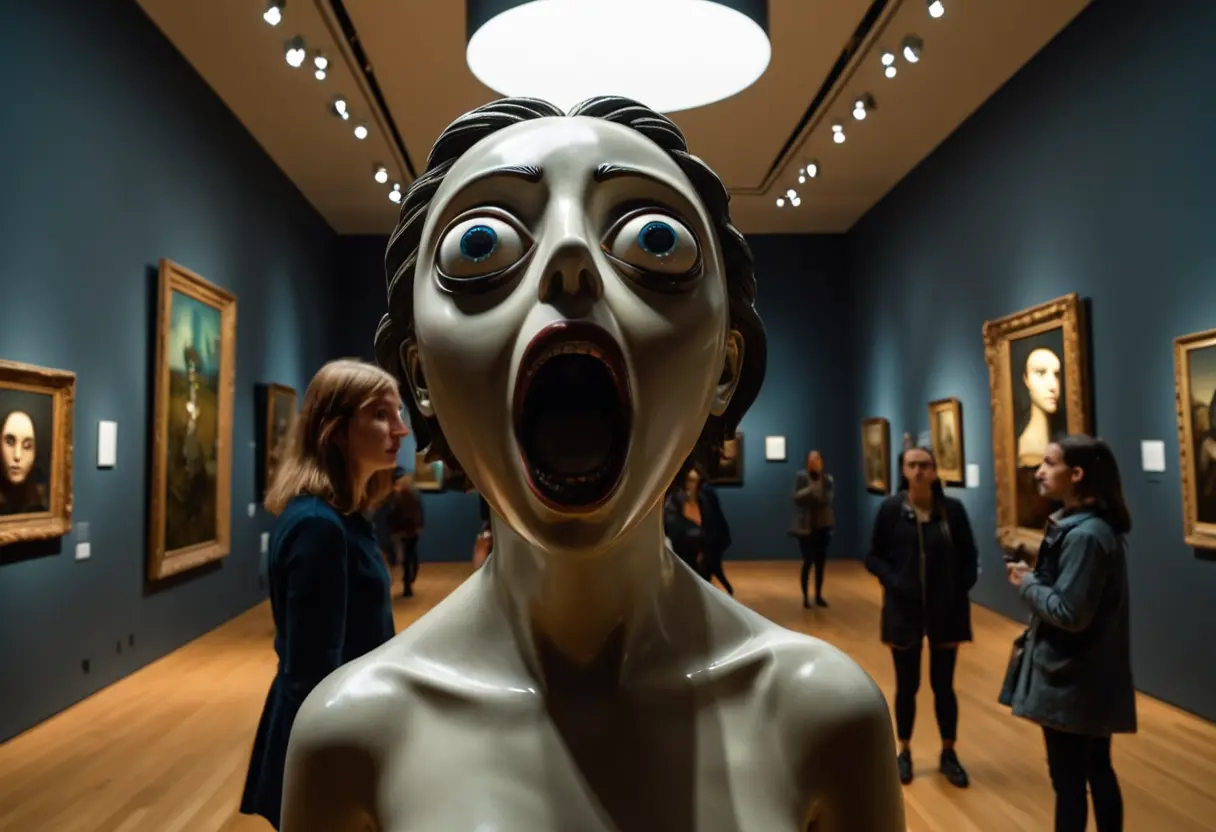
The terrifying face of Momo was not a demon, but a piece of Japanese performance art. The sculpture, originally titled “Mother Bird” (Ubume) , was created by Japanese special effects artist Keisuke Aiso for a 2016 gallery exhibition in Tokyo.
Aiso’s work was based on the Japanese folklore of the Ubume—the ghost of a woman who died in childbirth and now protects (or haunts) children. A photo taken by a gallery visitor was stolen, cropped to hide the bird-like body, and re-contextualized into a sinister digital predator by internet trolls.
3. The Collapse: A Panic with No Victims
After extensive investigations by police and digital safety groups, a shocking truth emerged: There was not a single confirmed case of a child being harmed by the “Momo Challenge.” The “sightings” were almost entirely pranks, copycat trolls, or children making up stories that were then amplified by well-meaning but terrified parents. Major media outlets, hungry for clicks, fueled the fire until the fear itself became a viral contagion. It was a case of “Digital Mass Hysteria,” where we manufactured a monster out of our own anxiety.
4. The Disposal: The End of the Bird
Disturbed by how his art was being used to terrorize children, Keisuke Aiso eventually announced that he had physically destroyed the sculpture . By dismantling the physical body of “Momo,” he effectively ended the “curse.”
The Momo Challenge serves as a critical lesson: in a connected world, even a “Warning” can act as a fuel for fear. It revealed the vulnerability of our collective perception—how easily we can turn a piece of stolen art into a global threat, simply because we are afraid of what our children might see when we aren’t looking.