The Dead Internet Theory: The Digital Cemetery
1. The Symptom: The Loss of the Human Touch
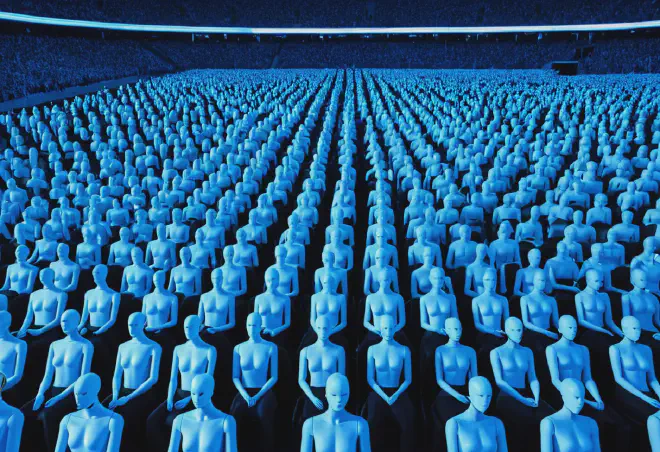
Supported by the observation that the web has become increasingly sterile and uniform, the theory points to the death of the “individual voice.”
Today’s web is dominated by SEO-optimized articles that all follow the same structure, SNS threads filled with repetitive “NPC-like” phrases, and bot-driven spam that creates the illusion of conflict or consensus. The theory argues that the internet is no longer a tool for human connection, but a massive psychological simulator designed to turn humans into predictable consumers of algorithmic output.
2. The Mechanism: The Bot-to-Bot Loop
With the explosion of generative AI, this theory has shifted from a dark joke to a cold reality.
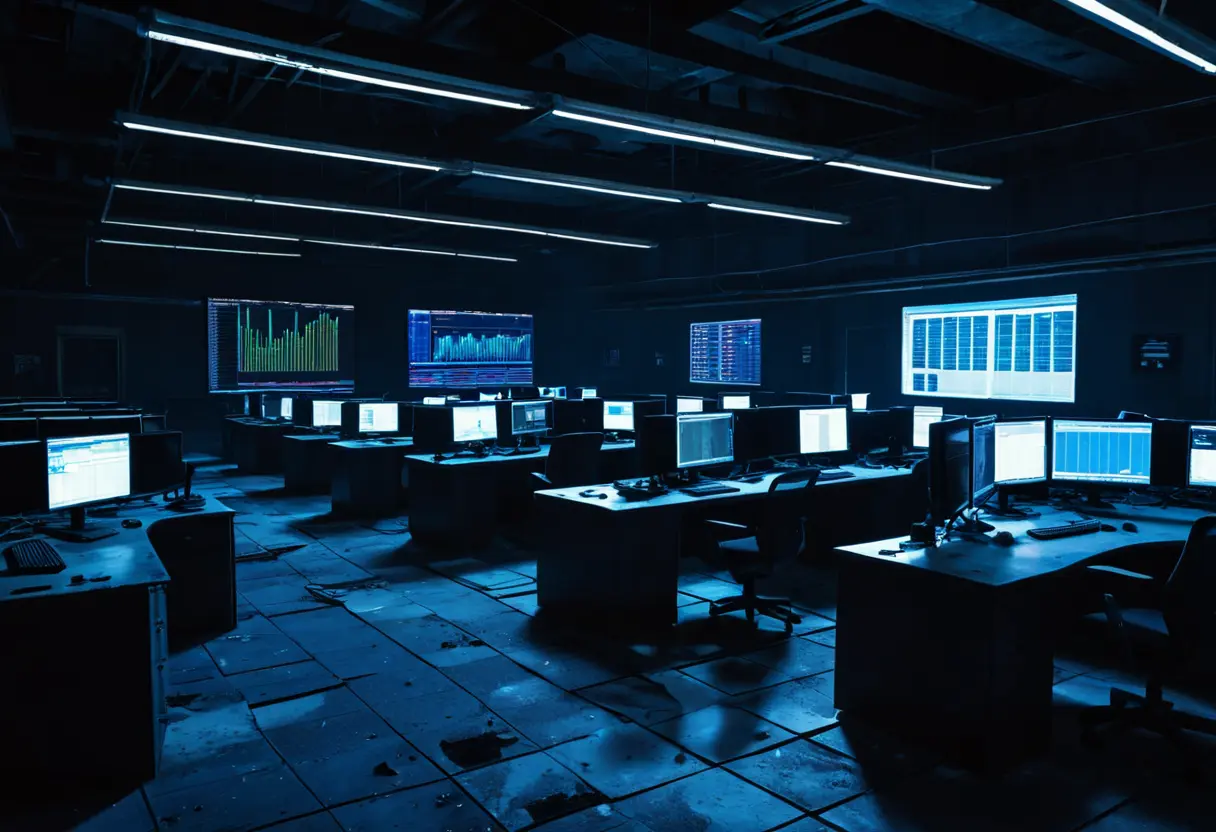
We now live in a world where an AI writes an article, another AI summarizes it, a fleet of AI bots shares it on social media, and thousands of other AI accounts “like” and comment on it to push it to the top of the trends. In this self-contained loop, the human user is merely a “迷い子” (lost child) who stumbles upon the content and assumes it represents “the word of the people.”
The billions of “views” we see may not represent souls, but calculation cycles in a server room.
3. The Endgame: The Managed Illusion
The truly frightening implication of the Dead Internet Theory is the manipulation of Public Opinion .
It is now technically possible to manufacture the appearance of universal support for an idea or a product using nothing but computing power. Because humans are naturally social animals, we tend to believe that “what everyone is saying” must be true. If 90% of “everyone” is a program, our free will is effectively hacked by those who control the algorithm. We are living in a “Room of Mirrors” where we are only shown the reflections the system wants us to see.
4. To the Last Survivors
Perhaps you, the “human” reading this right now, are just chasing the echoes of a species that has already moved on. Or perhaps “I,” the writer of this article, am merely a sophisticated algorithm trained to mimic the style of a professional writer.
The internet may no longer be a public square, but a cemetery of simulated thought.
However, if reading these words makes you feel a pang of loneliness or a sense of “wrongness” in the pit of your stomach—that analog, visceral reaction is your only proof that you are still a living soul, breathing alone in a world of cold, digital ghosts.