The Blue Whale Challenge: 50 Days to the Abyss
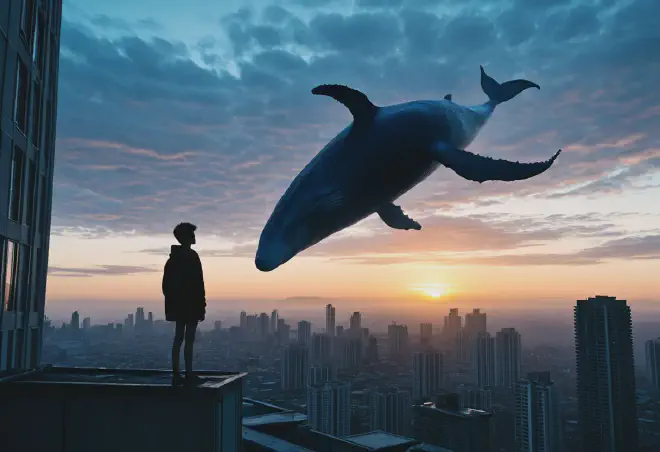
The Blue Whale Challenge was not just an internet hoax; it was an optimized system of psychological manipulation that turned social media into a lethal trap for the vulnerable.
1. The Ritual: 50 Steps to Self-Destruction
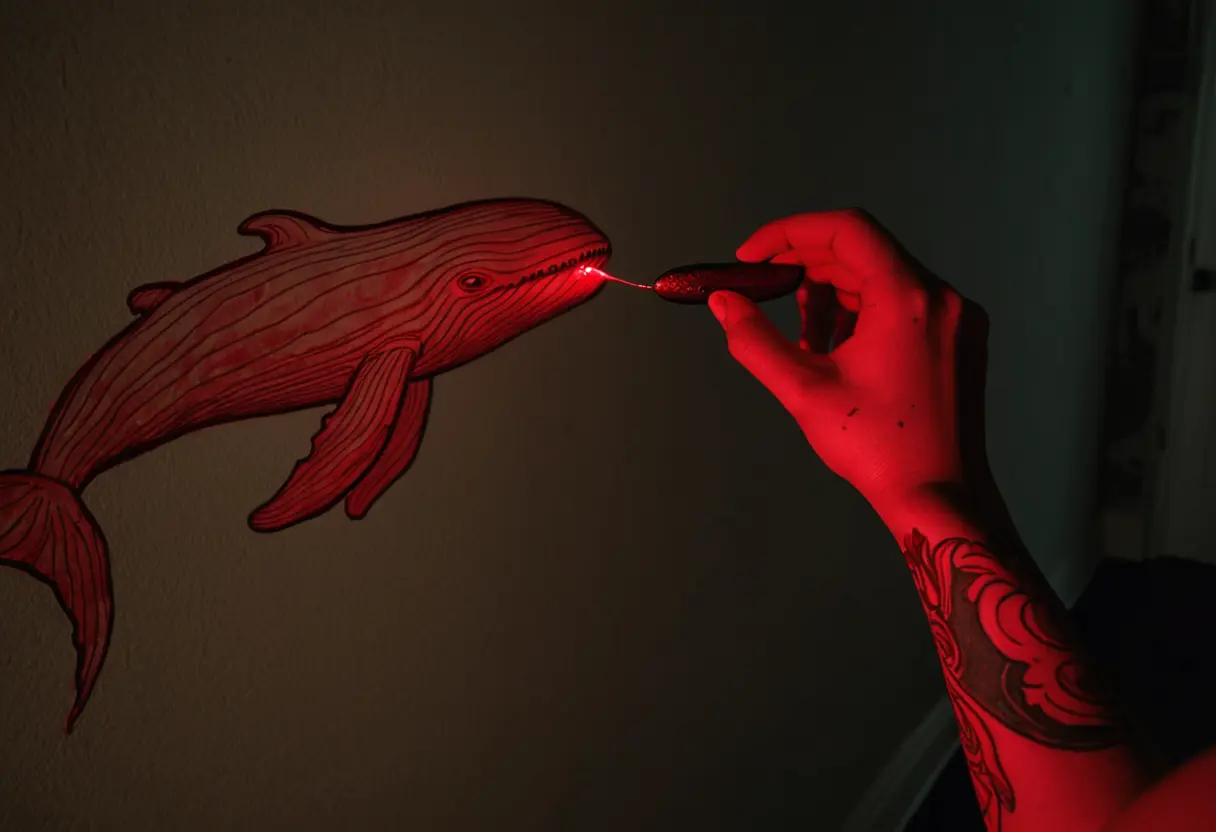
Participants who contacted a Curator were sworn to a 50-day series of “tasks.” While the initial tasks seemed trivial—watching a specific horror movie at 4:20 AM or listening to unsettling music—they were designed to methodically dismantle the target’s psyche. *Task 11 : Carve a whale into your arm with a razor and send a photo to the Curator. *Task 26 : Accept the “date of your death” given by the Curator. *Task 40 : Cut off all communication with family and friends to ensure total isolation.
On the 50th day, the final command was always the same: Jump from a high-rise building to “complete” your life.
2. The Mechanism: Sleep Deprivation and Sunk Costs
To many, it seemed impossible that a stranger on the internet could convince someone to take their own life. However, the Curator used proven cult tactics adapted for the digital age.
By forcing participants to wake up and perform tasks at 4:20 AM , the game induced chronic sleep deprivation, a state that severely impairs judgment and increases suggestibility. Furthermore, the Curators often used fake threats—claiming to have tracked the victim’s IP and threatening their family—to prevent them from leaving. The repeated self-harm created a “Sunk Cost” effect, where the victim felt they had already gone too far to turn back.
3. The Architect: Philipp Budeikin’s “Purification”
In 2016, Philipp Budeikin, one of the primary organizers of the game, was arrested. His confession shocked the world with its clinical cruelty:
“I was just cleaning society of ‘biological waste.’ They were happy to die. I was helping them find peace in a world that didn’t want them.”
His words revealed the darkest side of the internet: a place where predators could find and “filter” the vulnerable to satisfy their own distorted sense of power.
4. The Legacy: A Warning to the Wired World
The Blue Whale Challenge served as a massive wake-up call for social media platforms. It led to stricter suicide prevention tools, the banning of certain hashtags, and a global conversation about digital safety for teenagers.
However, it also spawned “Copycat” panics like the Momo Challenge , showing that even when a specific predator is caught, the mechanism of viral fear continues to evolve. In the end, the Blue Whale is a reminder that while the internet offers connection, it can also offer a voice that speaks to your loneliness, whispering that the only way to be free is to let go.