Slender Man: The Faceless Myth
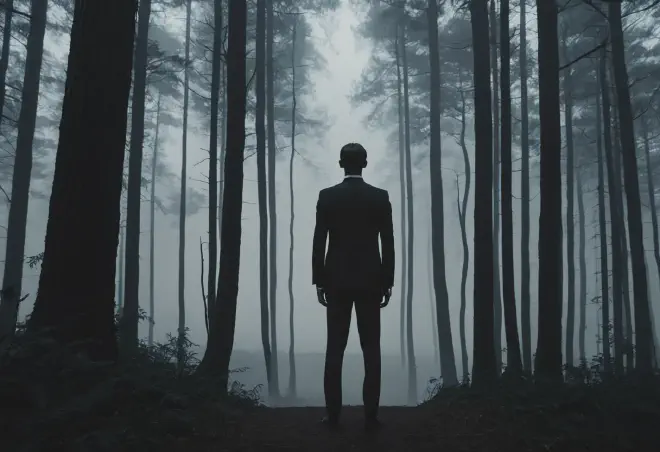
1. The Genesis: The Forged Record
Slender Man’s “birthday” is June 10, 2009. The creator, Victor Surge (Eric Knudsen), posted two photos to a thread titled “Create Paranormal Images.”
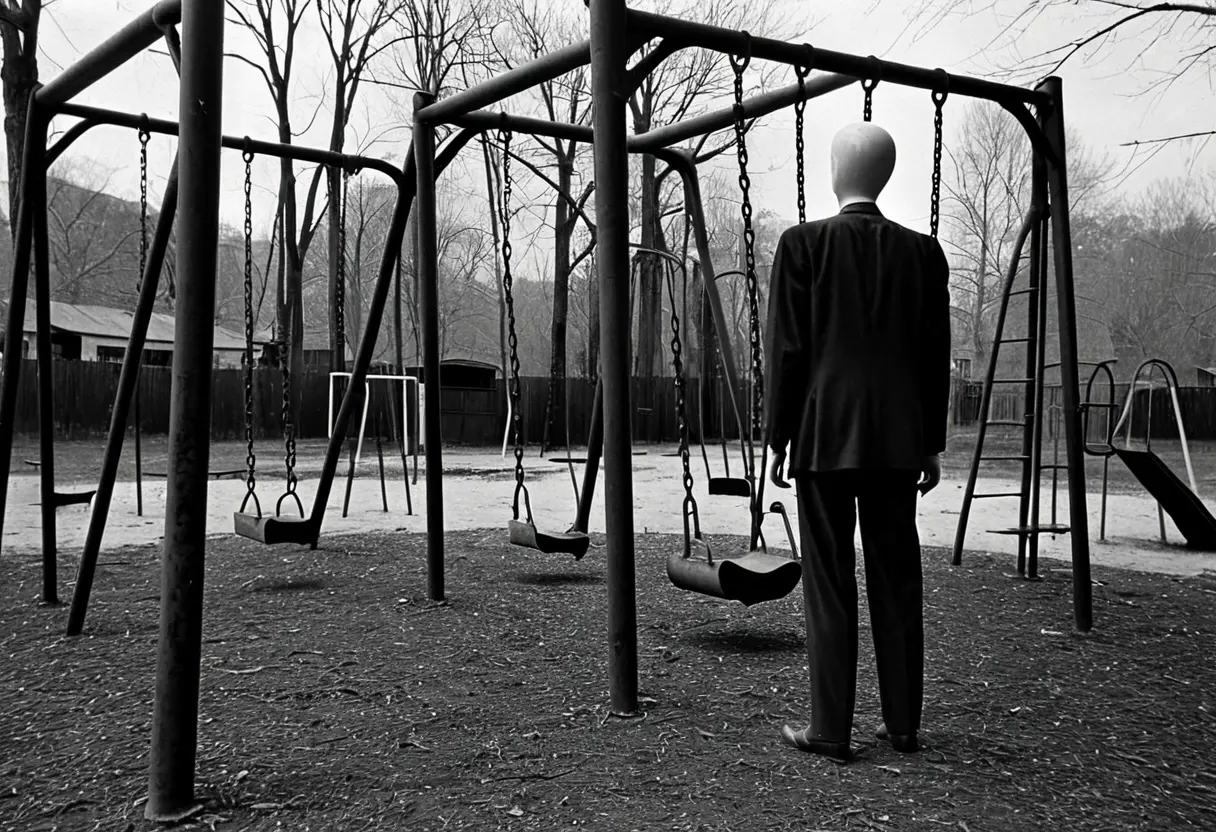
The photos showed an impossibly tall “shadow man” lurking in the backgrounds of black-and-white images of children. The accompanying text—a single, desperate line claiming the children were never seen again—ignited the internet’s imagination. Within weeks, the character had spread to every corner of the web, evolving through videos, art, and games.
2. The Collective Unconscious in Code
Slender Man’s power lies in the fact that he has no single author. He is a “Shared Legend,” shaped by thousands of users: *Marble Hornets : The YouTube series added the tropes of “video static” and “psychological sickness” (The Operator). *The Proxies : The concept that people could become his brainwashed servants, doing his bidding in the real world. *Tulpa (Thoughtform) : The metaphysical idea that if enough people believe in a fiction, it becomes real. Slender Man is the literal manifestation of the internet’s collective unconscious—a 21st-century ghost made of data.
3. The 2014 Tragedy: When Myth Bleeds
Slender Man did not remain on the screen. In 2014, in Waukesha, Wisconsin, two 12-year-old girls lured their friend into the woods and stabbed her 19 times.
The attackers claimed they needed to kill their friend to become “Proxies” for the Slender Man to protect their families. This incident highlighted the darkest and most dangerous potential of Digital Horror: the ease with which online narratives can infect vulnerable minds and catalyze real-world violence.

4. The Shadow Behind the Screen
Because he has no face, he can be anyone. He is the blank slate upon which we project our fears of being watched, followed, and erased. Slender Man teaches us that the smartphones and monitors we use as tools are also windows into a bottomless abyss.
The next time you turn off your screen, look at your reflection in the dark glass. Are you sure yours is the only face looking back?