The Russian Sleep Experiment: The Decay of Humanity
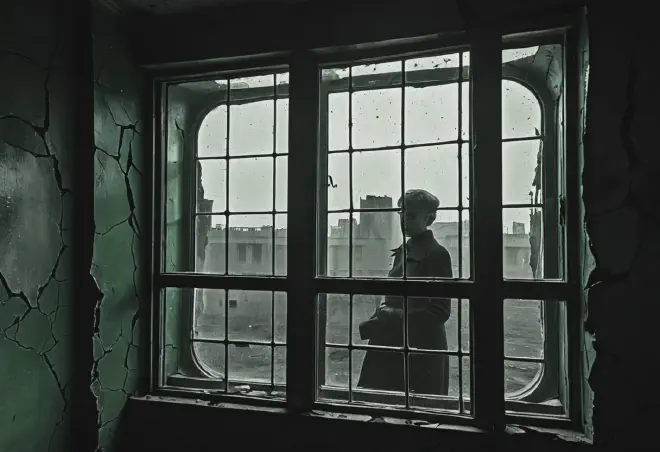
1. The Protocol: The Gas of Wakefulness
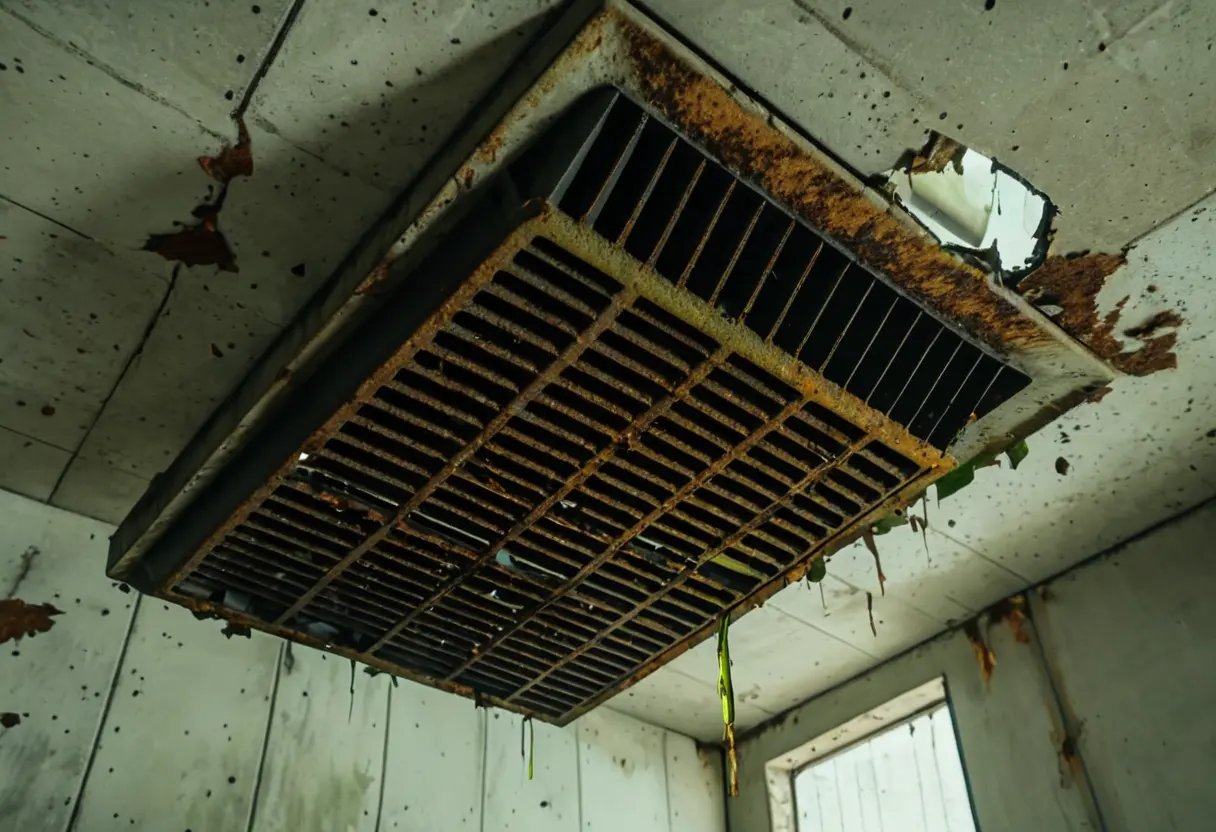
The subjects were five political prisoners promised freedom if they could survive 30 days without sleep. They were placed in a sealed chamber where a experimental gas stimulant was continuously supplied through the ventilation system.
For the first five days, the subjects were stable. However, as the stimulant prevented the brain’s natural need to reset, their conversations turned from politics to trauma, then to deep, whispered paranoia. The chamber became a pressure cooker of psychological decay.
2. The Silence and the Screams
On the ninth day, the first subject broke. He screamed for hours until his vocal cords literally tore. Then, the silence followed. The other subjects began tearing pages from books, smearing them with their own excrement, and pasting them over the observation windows.
For days, no sound came from the room. When the researchers finally used the intercom to threaten to open the doors, a single, mechanical voice responded from the dark: “We no longer want to be freed.” —
3. The Harvest: The Non-Human Shift
When the gas was finally cut and the doors were opened on the 15th day, the researchers found a scene of absolute body horror. The subjects had not touched their food rations; instead, they had fed on their own flesh and the muscle of their fellow prisoners.
They had become “The Monsters of the Gas.” They were capable of impossible feats of strength and showed a total immunity to pain. They begged for the gas to be turned back on, screaming that “The Sleep” was the only thing they feared.
4. “We are You”
At the end of the experiment, as the last survivor was being shot by a panicked researcher, he was asked: “What are you?”
The subject laughed and whispered: “We are you. We are the madness that lurks within you all, begging to be free at every moment in your deepest animal mind. We are what you hide from in your beds every night.” This story suggests that sleep is not just a biological requirement; it is a safety valve that keeps our inherent “non-humanity” in check. When the lights stay on for too long, the person we pretend to be eventually fades away, leaving only the hunger behind.