Candle Cove: The Static Screams
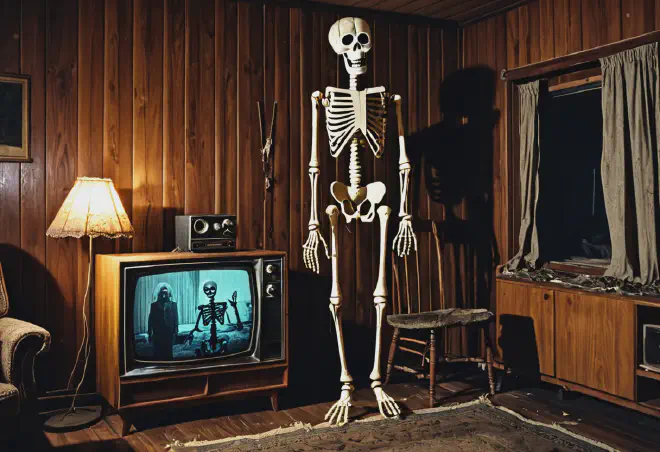
It is a masterpiece that explores “Lost Media” and the Mandela Effect (shared false memories), using the format of a forum thread to slowly peel back the skin of reality.
1. Fragments of a Pirate Nightmare
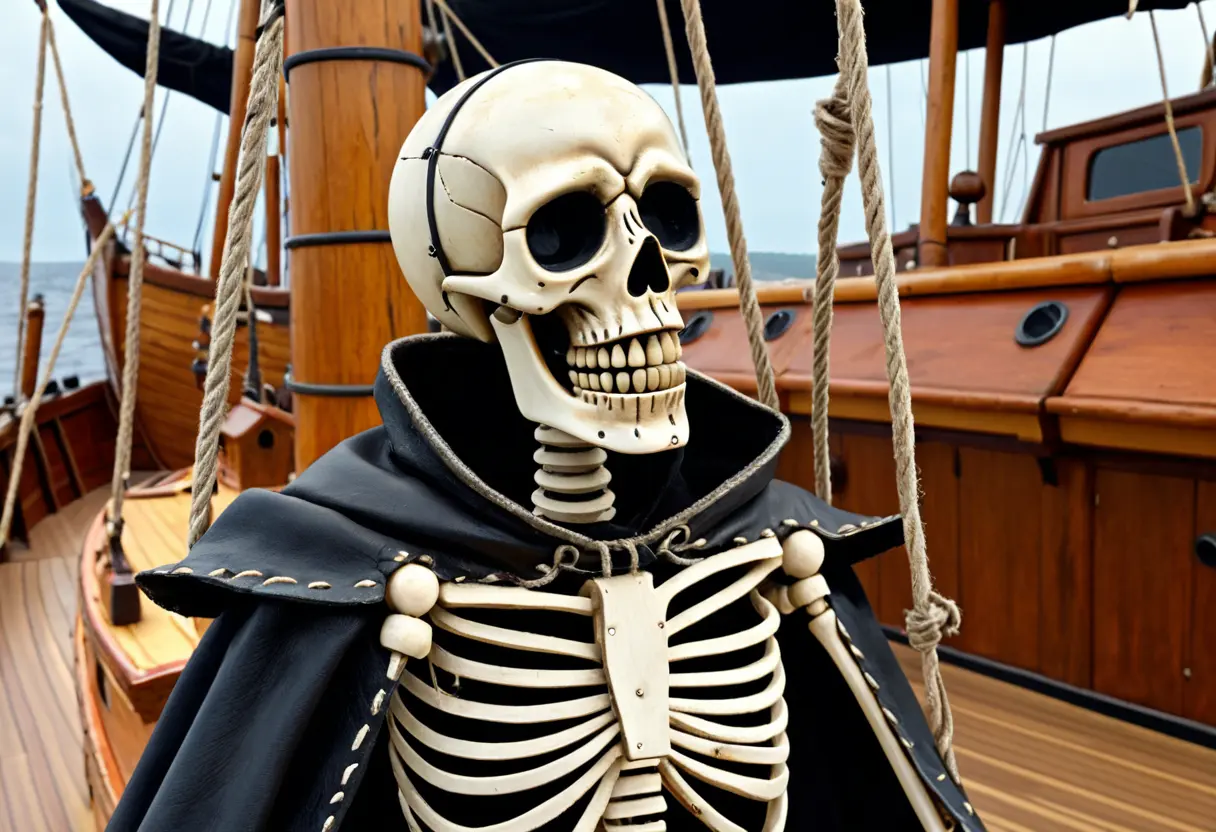
The story unfolds on a board called “NetNostalgia,” where users try to reconstruct the details of a low-budget children’s puppet show from the early 1970s. *Percy the Pirate : A cowardly, shaking puppet boy. *The Laughingstock : A pirate ship with a giant, sentient human face on the bow that gave Percy disturbing orders. *The Skin-Taker : The show’s ultimate villain—a skeletal puppet wearing ragged clothes who claimed to “grind the skin of children” for his own use.
The conversation starts as a pleasant trip down memory lane, but as the users recall more specific episodes, the “nostalgia” turns into visceral discomfort.
2. The Screaming Episode: A Breach in Broadcast
The turning point occurs when a user recalls the “Screaming Episode.”
In this memory, the show had no plot. For thirty minutes, every puppet simply stood on camera and screamed at the top of their lungs, while Percy the Pirate convulsed violently. As children, they had accepted this as “part of the show,” but as adults, they realize this was a physiological violation—a broadcast accident that shouldn’t have been possible.
3. The Truth: The Void in the Screen
The story ends with a final post from a user who asked their mother about the show. The mother’s response is the ultimate “Creepypasta” twist:
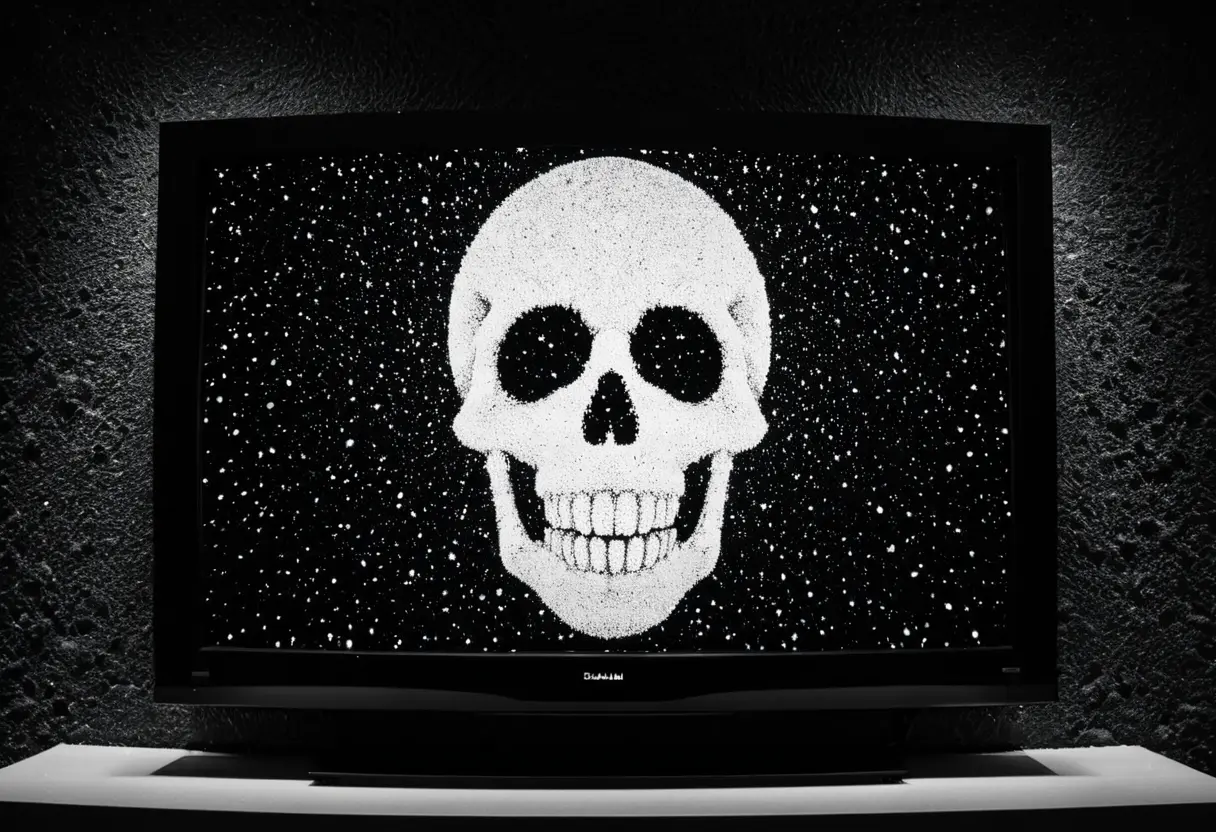
*“I asked her about it. She looked at me and said: ‘You used to tell me you were going to watch Candle Cove. You’d tune the TV to a dead channel and sit there for thirty minutes, just staring at the static .’"*The “Pirate Adventures” the children shared were not a program. They were a collective hallucination projected onto the white noise of a dead signal.
4. The Horror of Shared NoiseCandle Cove works because it exploits the fragility of human memory. It suggests that our childhoods are not the solid foundations we believe them to be, but can be rewritten by the suggestions of strangers on a screen.
It tells us that shared “memories” can be a form of mass infection, and that sometimes, the things we loved most as children were actually nothing more than 30 minutes of the abyss staring back through the static.