Vita Carnis: The Biology of the Living Meat
1. The Crawl: A New World of Flesh
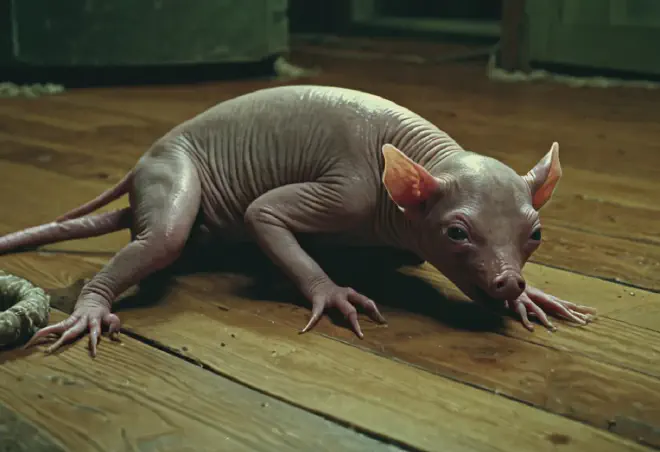
The foundation of the Vita Carnis universe is a mass of living meat that appeared after the chaos of the First World War. Initially dismissed as organic debris, “The Crawl” evolved at an impossible speed, branching into diverse and functional forms that now inhabit every corner of the globe.
In this reality, “The Meat” is a part of everyday life. Some forms are kept as pets, while others are used as food sources or seasonings. However, this familiarity hides a grim truth: humanity has been quietly demoted from the top of the food chain. We are no longer the masters; we are the biological energy source for a superior, hungry biology.
2. The Specialization of Terror
The organisms produced by The Crawl have evolved specific “Functions” for survival: *Trimmings : Small, meat-like creatures that have replaced dogs and cats as common pets. Their primary survival strategy is “Human Protection”—making themselves seem harmless so that humans will care for and protect them. *Meat Snakes : Scavengers that live in the gaps of houses and drains. They clean up waste and carcasses, but their very existence is a visceral violation of the human home. *Mimics : Species specialized for hunting humans. They can mimic the appearance and voice of a dead human with terrifying accuracy, using the cries of “loved ones” to lure prey into the dark.
3. The Harvester: Total Resource Reclamation
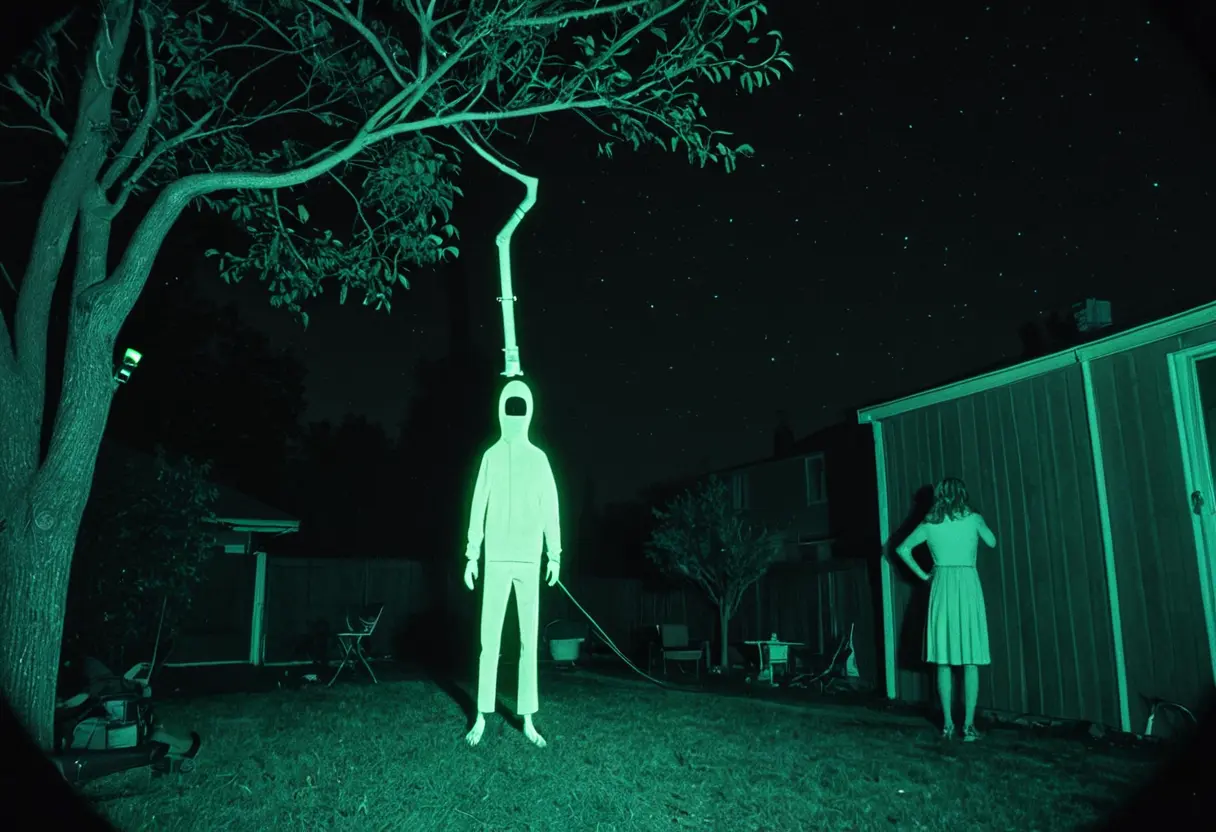
The most visually shocking predator in the series is the Harvester . Resembling a massive, organic plant or a cluster of tentacles erupting from the ground, the Harvester performs a mechanical “reclamation” of organic matter. It uses neurotoxins to paralyze prey before processing them into raw resources. To the Harvester, a human is not a conscious being; we are merely “Organic Units” to be harvested and recycled.
4. The Normalized Apocalypse
The true horror of Vita Carnis is how “Normal” it has become. The series uses Public Service Announcements (PSA) to teach the public how to survive: “Hide if you see a Mimic,” or “How to identify a Harvester in your garden.”
It depicts a society where the threat of being eaten by living meat is treated with the same bureaucratic nonchalance as a fire drill. This “institutionalized despair” is the hallmark of the genre—reminding us that when the world changes, humans don’t always fight back; sometimes, we just adapt to being the prey.