Analog Horror: The Nightmare in the Static
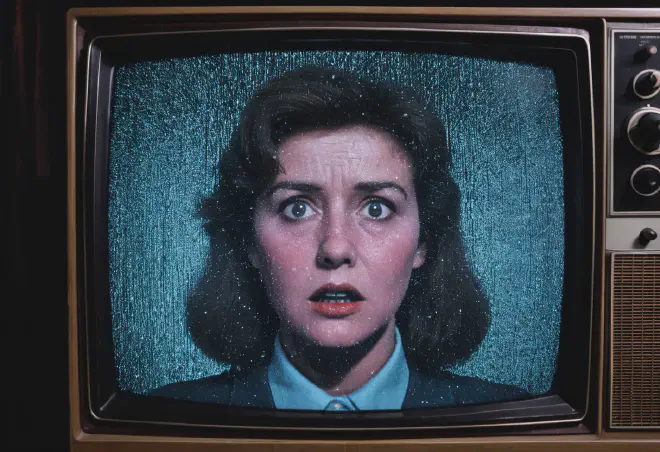
By intentionally abandoning high-definition CG in favor of the “decayed records” of the 1980s and 90s, this genre strikes directly at the primal darkness we have forgotten in the age of digital perfection.
1. The ‘Uncanny Valley’ of Decay
The soul of Analog Horror lies in its “Missing Information.” The color bleeding of VHS, the pitch-shifting of degraded audio, and the tracking glitches that tear the image apart—these were once technical flaws. Now, they serve as a psychological filter that blurs the boundary between the real and the surreal.
Because the resolution is low, your brain is forced to fill in the gaps. That “shadow” in the corner of a graining frame becomes a monster of your own making. The “Found Footage” format suggests that someone recorded this horror, and then they were lost—leaving only this corrupted evidence for you to find.
2. The Hijacking of Authority
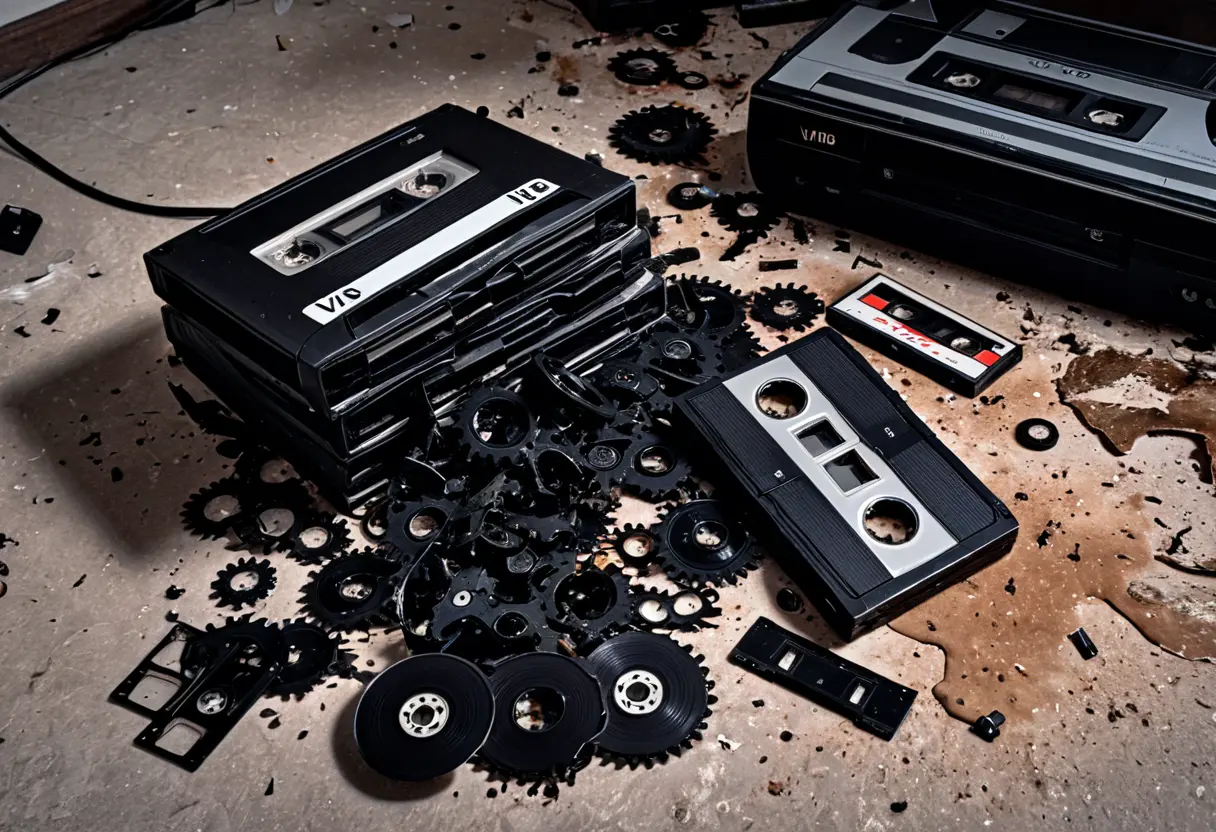
Analog Horror thrives on subverting the media we were taught to trust. It targets the infrastructures of “Safety” and “Education”: *The Emergency Alert System (EAS) : Alerts meant to save lives are hijacked to demand illogical acts, such as “Do not look at the moon” or instructions on how to end one’s own life to avoid a worse fate. *Instructional & Training Videos : Corporate orientations or children’s moral plays contain hidden, subliminal instructions for deconstructing the human form or “welcoming” an intruder. *Archived Home Videos : Private records of family vacations contain “something” that isn’t family—an entity that realizes it is being filmed and gazes back through the camera at the viewer.
3. The Pioneers of the False Past
Several legendary series have defined this genre and elevated it to a modern mythos: *Local 58 : (Coming Soon) The progenitor. It uses the format of a local TV station’s broadcast schedule to depict cosmic anomalies and government cover-ups, turning the audience into “witnesses.” *The Mandela Catalogue : (Coming Soon) It explores “Alternates”—creatures that mimic humans. It merges metaphysical dread with the glitches of modern facial recognition technology. *The Backrooms (Kane Pixels) : It gave a heavy reality to the famous internet meme by framing it as a series of 1990s research logs, portraying the liminal space as a world-breaking bug.
4. Why Analog? Why Now?
In an era of 4K clarity and total data transparency, we crave the “Unseen.” Analog horror provides a sanctuary for the unknown. Within the noise of the old tape, there is still room for monsters to hide. It reminds us of a time when information was fragile, physical, and capable of being “haunted.”
Analog Horror is the ghost in the machine of the past, reaching out from behind the scanlines to remind us of the darkness we recorded—and then tried to delete.