Freemasonry: The Mith of Stone and the Secret Geometry of Power
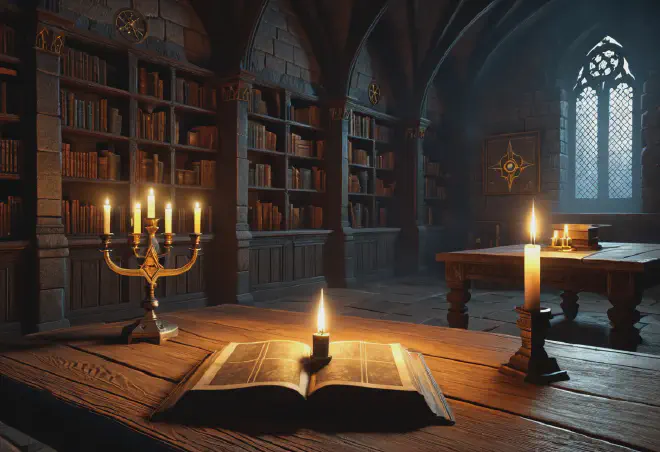
However, when one removes the distorted lens of conspiracy theories and unearths the layers of history, the reality that emerges is that of the world’s largest fraternal organization with roots in medieval stonemasons’ guilds. They called God the “Grand Architect of the Universe” and saw themselves as seekers—likening themselves to unpolished rough stones to be refined into spiritual masons.
1. Blueprints of Character Inscribed in Craft Tools
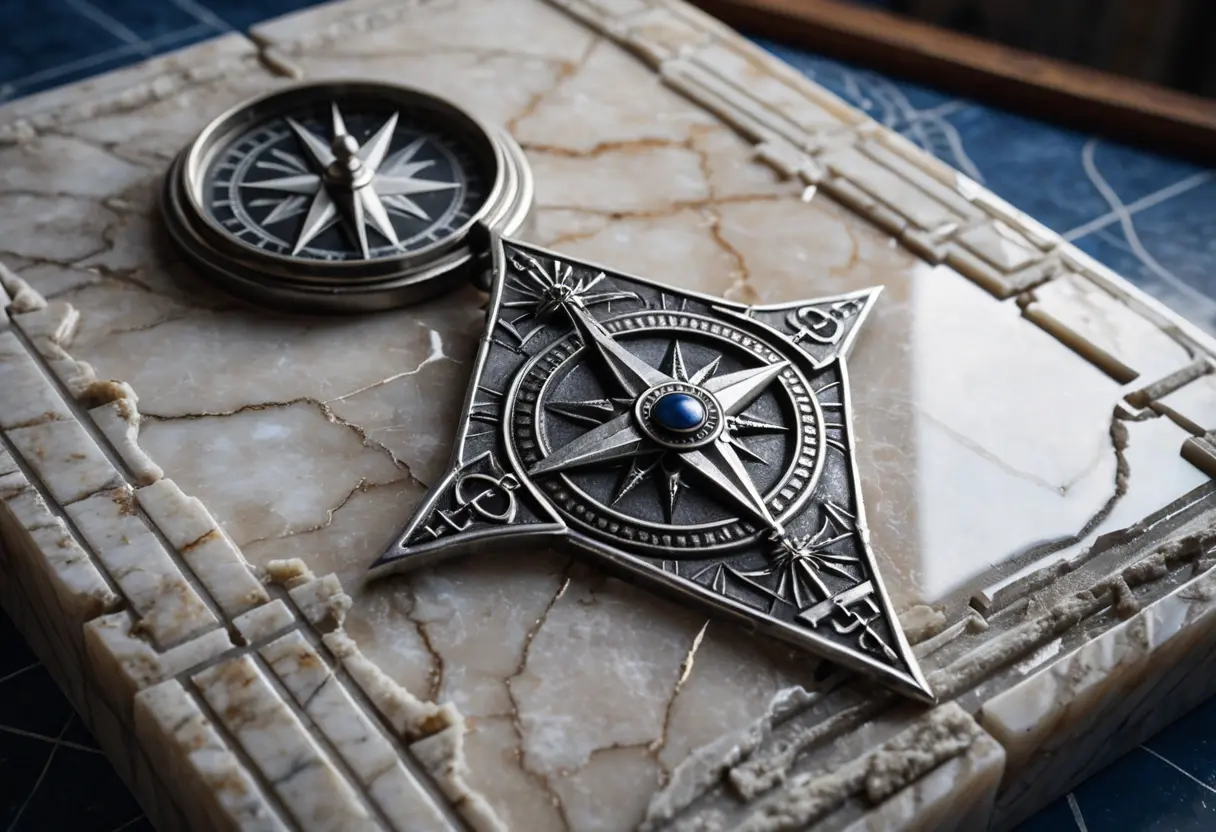
The “Square and Compasses” known worldwide as the symbol of Freemasonry, with the letter “G” at its center. This is not merely an emblem; it is the “Guidelines of Character” that members must observe. *Truth in Geometry : For them, geometry was the perfect mathematical order that governed a universe filled with chaos. The Square symbolizes “moral rectitude,” and the Compasses symbolize the “range of restraining one’s own desires.” Their ultimate goal was to measure their own spirits correctly with these tools and construct a temple named “Noble Character.” *Shared Secrets and Hierarchies : As members ascend the three degrees—Apprentice, Fellow Craft, and Master Mason—they are taught specific handshakes, passwords, and ancient mysteries. This “sharing of information not revealed to outsiders” is the primary cause of both the unspeakable distrust from the outside and the intense curiosity it invites.
2. Cradle of Enlightenment: Dialogues That Shook Kings and Churches
George Washington, Mozart, Benjamin Franklin, or Goethe. It is no mere coincidence that great figures who inscribed their names at the turning points of history were Masons.
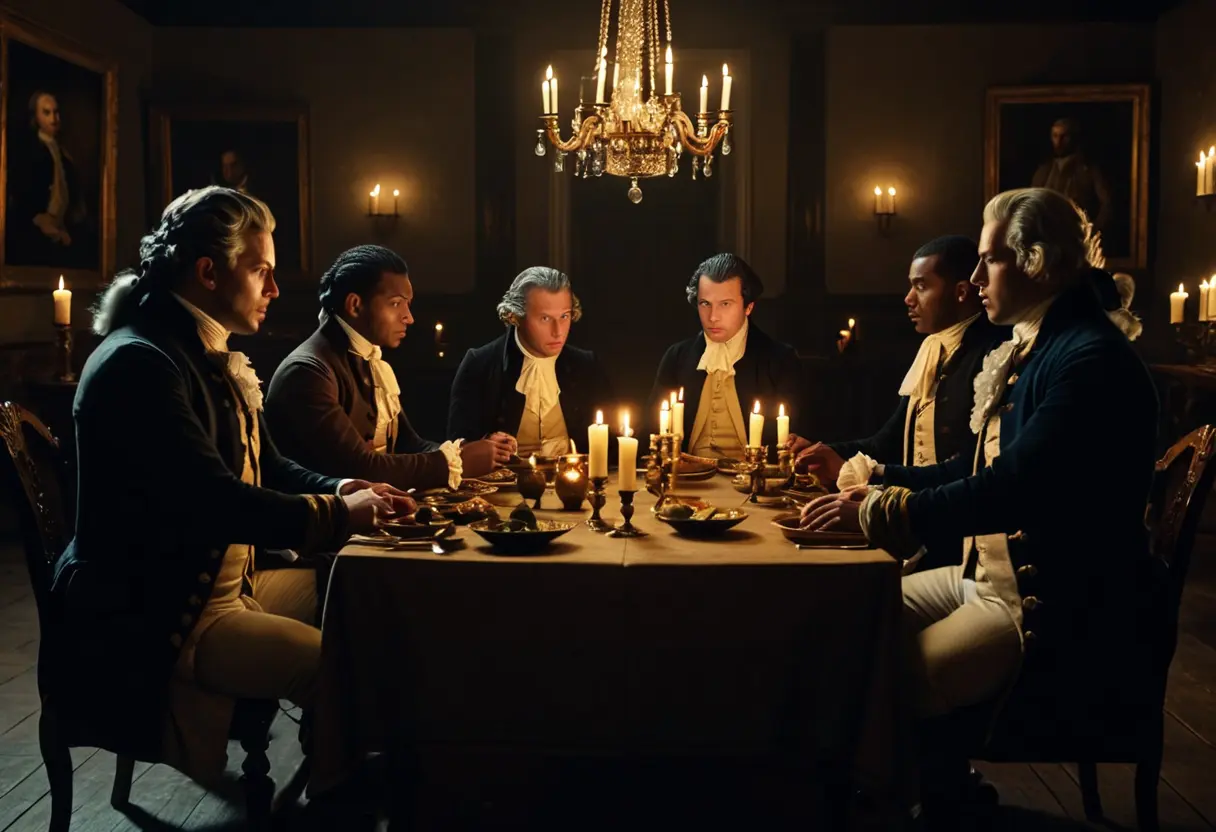
In 18th-century Europe, the “Lodge”—the Mason’s base—was one of the few “neutral zones” where royalty, aristocrats, and commoner intellectuals could talk on equal terms at a time when class barriers were extremely high. The reason many Masons are found among the leadership of the American Revolutionary War and the French Revolution is precisely because they honed “liberal values” in these salons called lodges and shared common ideals.
However, this “non-denominational, non-class” stance appeared to the Catholic Church and rulers attempting to maintain absolute monarchy as a nursery for dangerous ideas that could overturn the establishment from its roots. The Papal ban on Masons issued in 1738 marked the beginning of propaganda labeling them as “devil worshippers” or “traitors plotting the overthrow of the state,” and its echoes continue to live on in conspiracy theories today.
3. The “Projection” of a Shadow Government
To the question, “Does Freemasonry rule the world?” the answer derived from a sociological perspective is both yes and no.
They do not possess a manual for ruling the world as a single unit. However, it is a fact that the world’s shape changed as a result of eminent Masons at various points in history pushing forward social reforms based on their fraternal spirit.
People continue to treat Masons as shadowy figures because our society is so opaque and complex. When one feels the world is moving due to incomprehensible forces, one seeks a clear “culprit” or “leader.” Freemasonry, with its continued secrecy, functions as the most convenient screen for projecting the public’s anxiety and their desire to “understand the system of the world.”
4. Professional Perspective: The Value Birthed by Silence
The primary reason the organization of Freemasonry has endured is its “silence.”
In today’s social media age, where all information is shared and consumed instantly, the act of meeting face-to-face in a physical lodge and keeping secrets has itself gained rare value.
They do not rule; they manage the illusion through silence that “there is something there.” Ironically, that illusion continues to give vitality to the organization as a new “myth” that moves the real world.