Investigation: Is the Vampire a Metaphor for Tuberculosis? Why the Dead 'Breathe'

The Vampire . A staple of the macabre, believed to stalk the night, feast upon the living, and recoil from mirrors. While modern fiction has romanticized the Count in his velvet cape, the historical roots of the vampire are far more grounded in disease, filth, and the heartbreaking desperation of the bereaved.
Why did our ancestors believe the dead could rise? Why did they drive stakes through the hearts of their loved ones? The answers lie in two devastating plagues and a fundamental misunderstanding of what happens to a body after the heartbeat stops.
1. Tuberculosis: The Silent Consumption
In the 19th century, particularly in the New England region of the United States, a widespread “Vampire Panic” occurred. The culprit was not a supernatural entity, but Tuberculosis (then known as “Consumption”).
Eating the Family from the Grave
Tuberculosis is highly infectious. When one family member died, others inevitably began to waste away. Lacking knowledge of germs, villagers believed the first to die was “feeding” on the life force of the survivors from within the grave. *Pallor and Wasting : Patients became deathly pale and incredibly thin, as if their blood was being slowly drained. *The Mark of the Mouth : The characteristic coughing of blood was interpreted as evidence that the “vampire” had recently fed.
Desperation led to the exhumation of corpses. If the body appeared “fresh,” the heart was often removed and burned, and the ashes fed to the survivors as a supposed cure—a tragic ritual born of the need to stop an invisible, relentless killer.
2. Rabies: The Viral Blueprint
While Tuberculosis provided the narrative of the wasting victim, Rabies provided the specific “weaknesses” of the vampire. In 1998, neurologist Juan Gómez-Alonso identified striking parallels between the symptoms of Rabies and the lore of the undead.
| Vampire Legend | Rabies Symptom |
| :— | :— |
| Spreading by Bite | Viral transmission through saliva and biting. |
| Fear of Water (Hydrophobia) | Throat spasms that make swallowing liquid excruciating. |
| Aversion to Light | Hypersensitivity to visual and auditory stimuli. |
| Rejection of Mirrors | Visual reflections trigger violent, manic seizures. |
| Aggression & Libido | Encephalitis (brain inflammation) causing hyper-sexualized behavior and uncontrollable rage. |
The “Vampire” of folklore—the violent, twitching, water-fearing beast—is a near-perfect clinical description of a human in the final, terminal stages of a Rabies infection.
3. The Mechanics of the Grave: The “Fresh” Corpse
When hysterical villagers exhumed suspected vampires, they often found “proof” that the dead were still active. Modern forensic science, however, explains these as natural Post-Mortem Phenomena .
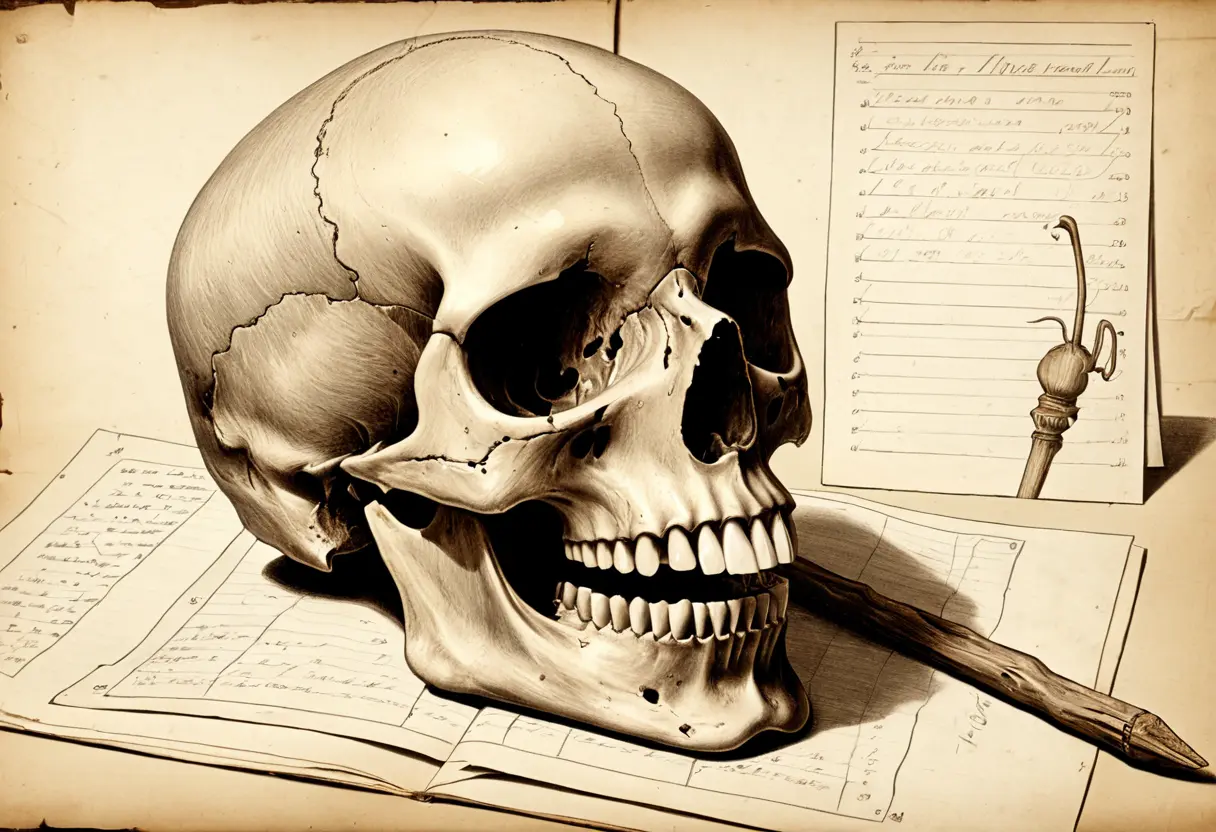
Why the Dead Appear to “Drink” *Post-Mortem Bloating (Gas Build-up) : As bacteria consume the body, they release gases. This causes the corpse to swell, making a body that was skeletal at death appear “well-fed” and “plump” weeks later. *The Blood at the Lips (Purge Fluid) : The pressure of these internal gases squeezes the lungs and stomach, forcing dark, decomposed blood (purge fluid) out of the mouth and nose. To a villager, it looked as if the corpse had just returned from a midnight feast. *The Lengthening of Fangs : As the skin loses moisture, it retracts. When the gums recede, the roots of the teeth are exposed, making the canines appear longer and sharper—producing the classic “Vampire Fangs.”
Conclusion: A Monster Born of Pathogens
The Vampire was never a cursed aristocrat or an immortal warlock. It was a protective myth created to explain the “Reasonless Cycles of Death” brought by Tuberculosis and the “Terrifying Madness” of Rabies.
Behind the sophisticated image of Count Dracula lies the screams of people who watched their families die, one by one, and were so desperate for an explanation that they turned to the grave. The Vampire is a monument to human grief, a conceptual shadow cast by our oldest, most resilient enemies: the micro-organisms that hunt us in the dark.
*The Origins of the Undead : How the concept of the “Walking Dead” has evolved across cultures. *Zombies: The Fear of the Working Corpse : Investigating the link between Haitian folklore and the slave trade. *Plague Lore: The Black Death and the Danse Macabre : How global epidemics shaped the landscape of local legends.