Codex Gigas: The Devil’s Bible and the Pact in the Dark
The Legend: Wisdom Crafted in a Single Night
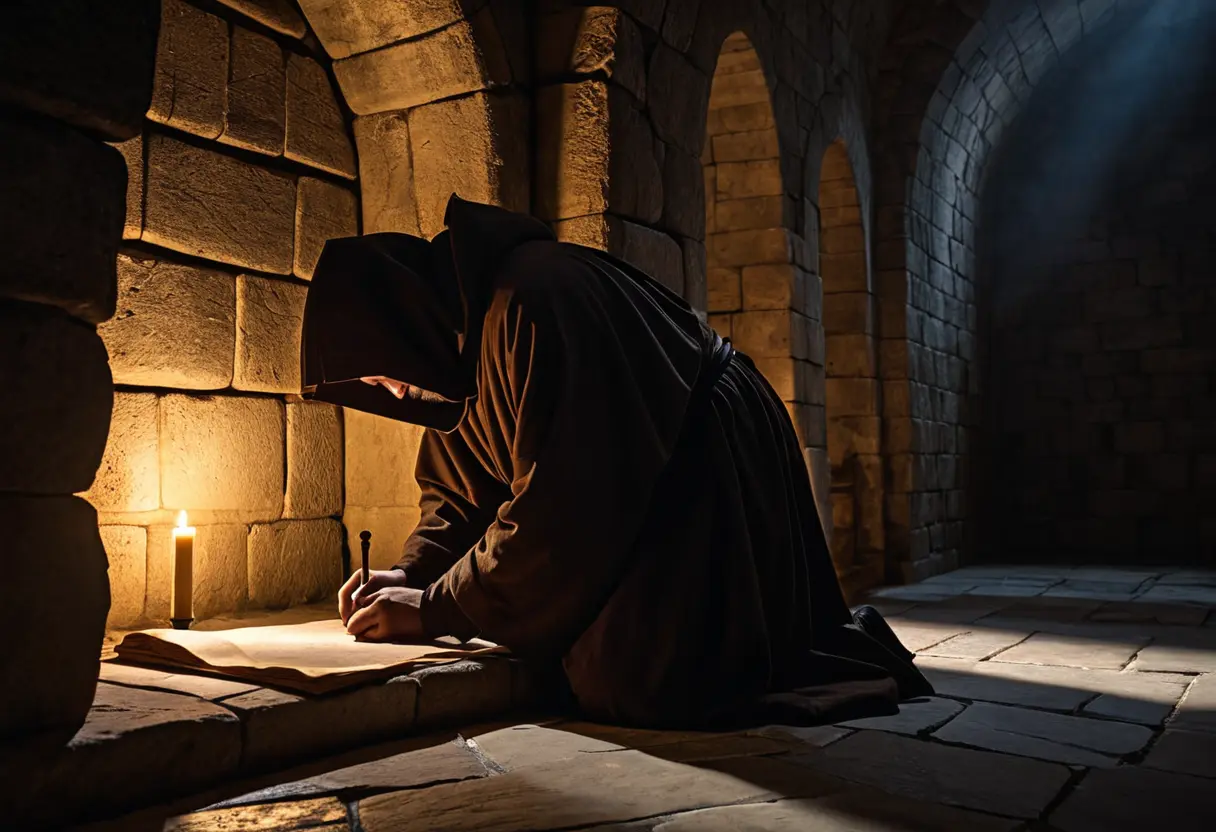
According to the myth, a monk broke his monastic vows and was sentenced to be walled up alive. In a desperate plea for mercy, he promised to create a book that would glorify the monastery forever—a book containing all the world’s knowledge—and he would complete it in a single night.
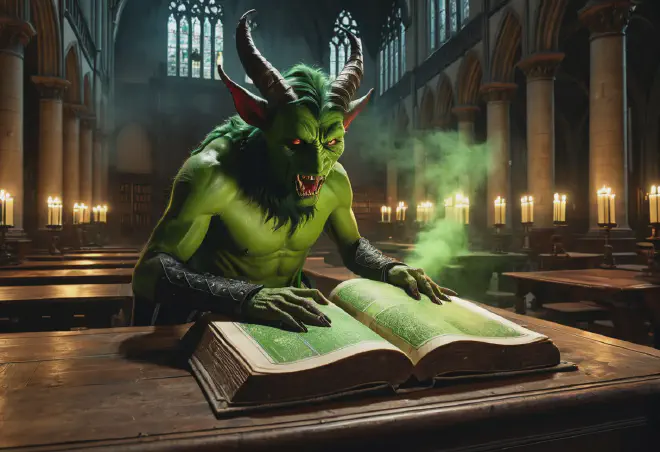
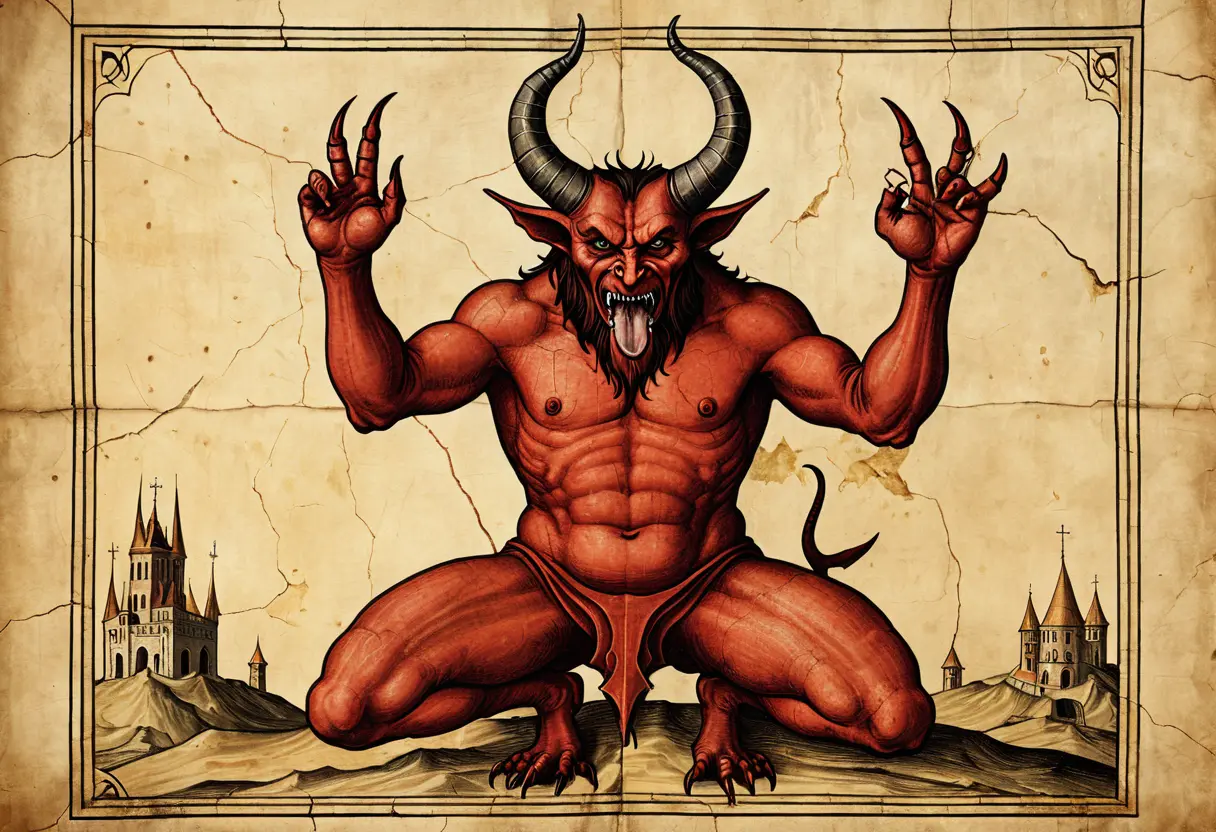
As the hours passed, the monk realized the sheer arrogance of his claim. Facing certain death at dawn, he turned away from God and offered a prayer to Lucifer. He promised his soul if the Prince of Darkness would finish the manuscript for him. The Devil accepted. By daybreak, the gargantuan book was finished. As a grim signature of the pact, a full-page portrait of the Devil was inscribed among the holy texts, where it remains to this day, staring out at the reader with a terrifying, emerald-skinned grin.
30 Years of Obsession: The Scientific Truth
Legends aside, modern paleographers and scientists have subjected the Codex Gigas to rigorous analysis. The results are perhaps even more haunting than the myth. By analyzing the ink chemistry and penmanship, researchers have concluded that the entire 320-page manuscript—requiring the skins of roughly 160 donkeys—was written by a single individual. In an era where manuscripts were typically the work of multiple scribes over many years, the Codex Gigas shows no signs of aging, fatigue, or varying skill levels in the handwriting. If a scribe worked three hours a day without fail, it would have taken at least 20 to 30 years to complete. This suggests that a lone “Hermit” monk likely dedicated his entire adult life to this single task as an act of ultimate penance. The “single night” of the legend is perhaps a metaphor for the singular, blinding focus that consumed a human soul.
A Dark Encyclopedia of the Middle Ages
The contents of the book are a chaotic “dark stew” of medieval thought. While the Vulgate Bible sits at its core, it also contains works on history (Isidore of Seville’s Etymologiae), medical treatises, calendars, a list of monastery brothers, and—most strangely— magic spells and exorcisms . It is a complete bridge between the sacred and the profane, which makes the sudden appearance of the Devil’s portrait in the middle of these texts all the more jarring.
The Survivor of War and Fire
The Codex Gigas has a history as heavy as its pages. It was seized as a trophy of war by the Swedish army during the Thirty Years’ War and taken to Stockholm. During a massive fire at the Royal Palace in 1697, the manuscript was saved only by being thrown out of a window. According to legend, it landed on and crushed a bystander, but the “Paper Monster” itself survived with only its binding damaged.
Whether it is a book of ultimate faith or a relic of a forbidden pact, the Codex Gigas stands as a monument to human persistence. To gaze upon its pages is to feel the weight of the Middle Ages—a time when knowledge was a dangerous, heavy, and potentially soul-selling endeavor.