The Nazca Lines: Geoglyphs Meant for the Heavens
Maria Reiche: The Guardian of the Calendar
The world owes much of its understanding of Nazca to Maria Reiche, a German mathematician who dedicated her life to the desert. She proposed the Astronomical Calendar Theory , suggesting that the lines were a massive tool for tracking celestial movements.
According to Reiche, many of the straight lines and geometric shapes aligned with the positions of specific stars or the rising sun on solstices—essential data for a civilization dependent on agriculture in a harsh environment. For decades, she lived in seclusion, cleaning the lines with a broom to preserve their clarity, convinced that the desert held a mathematical code left by ancient genius.
AI and the Renaissance of Discovery
In recent years, the mystery of Nazca has entered the digital age. A research team from Yamagata University in Japan, utilizing high-resolution drone imagery and Artificial Intelligence , has discovered over 140 new geoglyphs since 2004.
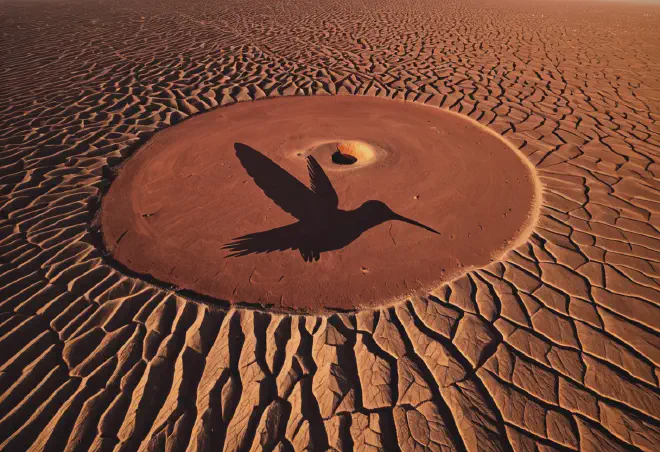
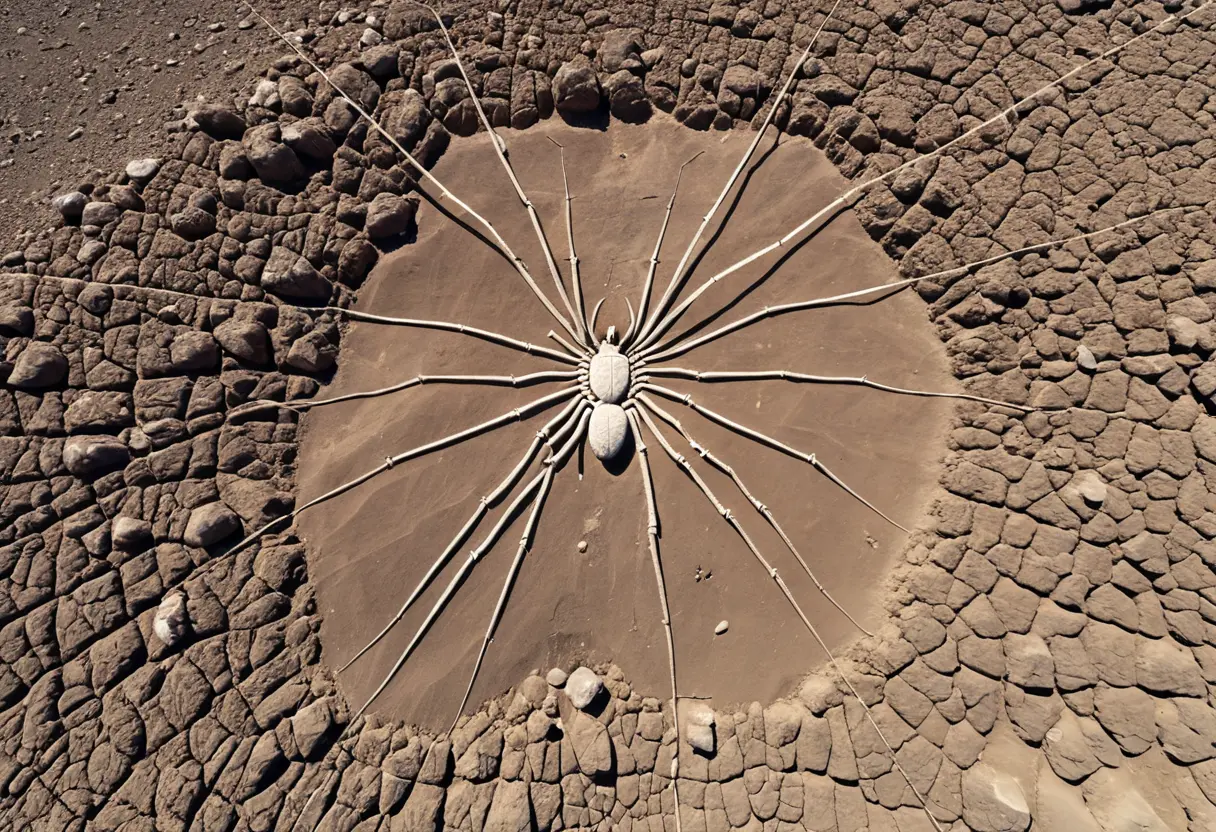
These newly found figures differ from the famous, giant “continuous-line” geoglyphs meant for pilgrimage. Instead, they are smaller, often etched onto slopes, depicting humanoid heads and local fauna. These discoveries suggest that the Nazca plateau was not just a single site for one purpose, but a complex communication landscape where different types of drawings served as trail markers, ritual components, and tribal symbols.
Alien Runways or Rain Altars?
The most debated aspect of the lines is their ultimate purpose. Writer Erich von Däniken famously claimed the long, geometric strips were “Runways for Ancient Astronauts,” a theory that triggered a global obsession with alien intervention. The figure nicknamed “The Astronaut”—a humanoid with large eyes waving toward the sky—remains a polarizing icon of this perspective.
However, the prevailing archaeological view is more grounded but no less spiritual: The Ritual of Water .
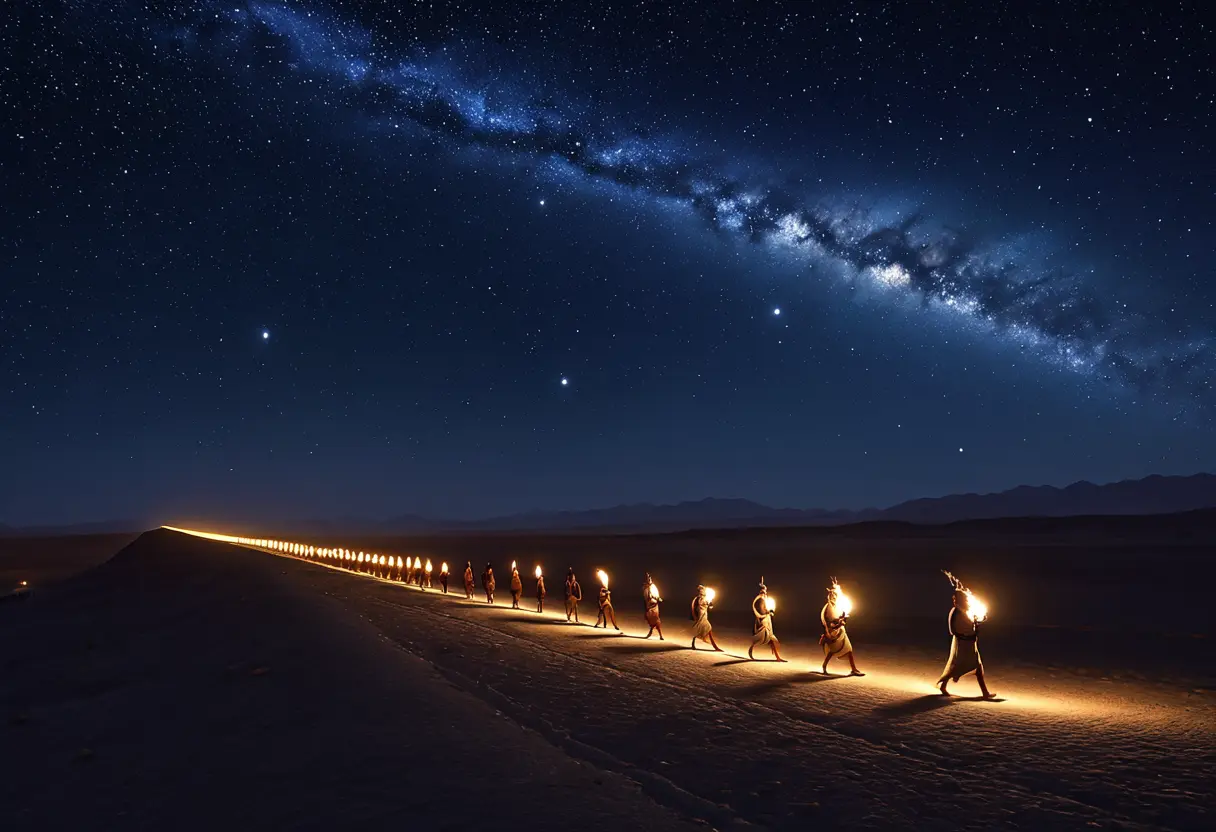
Nazca is one of the driest places on Earth. Water was life. Many geoglyphs align with underground aquifers, and the animal figures often represent symbols of fertility and rain-bringing in Mesoamerican culture. The lines were likely “Sacred Paths” where people walked in procession, offering their movement and song to a sky that rarely wept for them.
The Vertical Perspective
The ultimate question remains: Why create something you cannot see with your own eyes?
The Nazca Lines imply a Vertical Cosmology . To the Nazca people, the gods were not in the distance; they were above. By etching their prayers into the very skin of the earth, they were communicating with a perspective that transcended the human horizon. They were drawing for the divine eye, bridging the gap between the dust of the desert and the silence of the stars.