The Lesser Key of Solomon: The Taxonomy of Demons
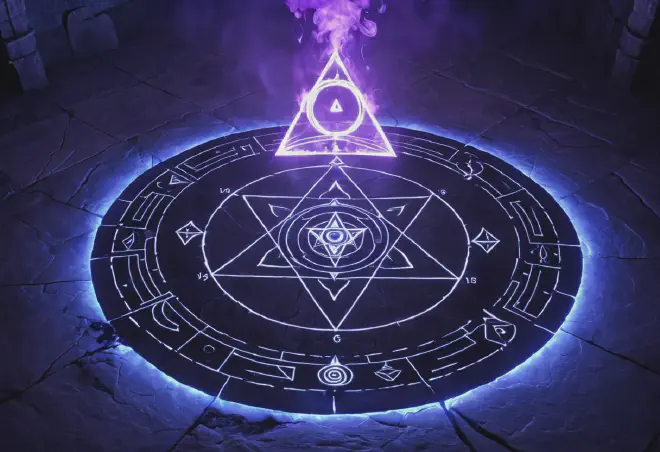
The Goetia: The 72 Pillars of Shadow
The most famous section of the Lesser Key is the ‘Goetia’ . It contains the names, descriptions, ranks (Kings, Dukes, Marquises, etc.), and—crucially—the Sigils (magical seals) of the 72 demons that Solomon supposedly trapped in a brass vessel.
Bael, Paimon, Asmodeus, Belial—these names are familiar to modern fans of Japanese games (like Shin Megami Tensei) and global fantasy series. Their visual identities and powers in pop culture originate directly from the systematic, clinical descriptions found within this 17th-century manuscript. To possess a sigil is to possess the “True Name” and the power of the entity itself.
The Aesthetics of Ritual: Refining the Will
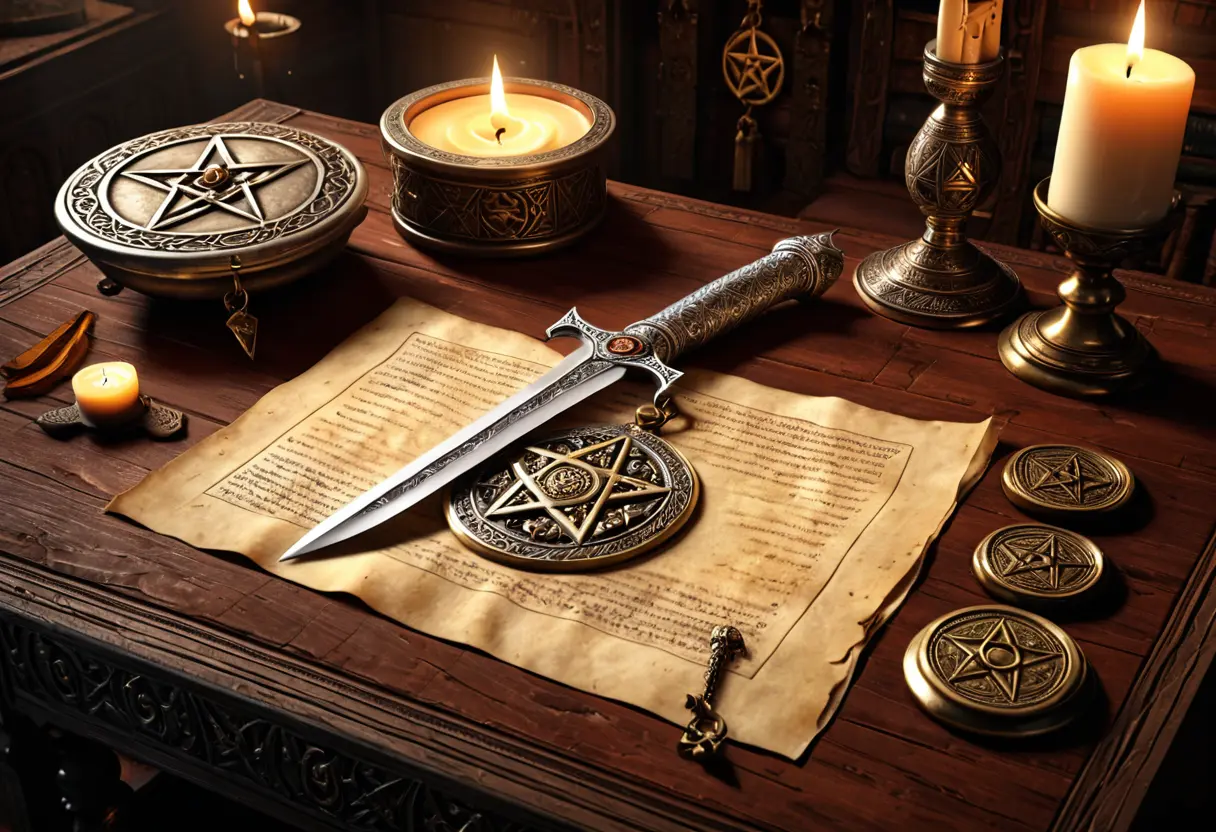
The Solomonic grimoires are defined by their “exhausting preparation.” It is a tradition of extreme cinematic precision: *Purity of Tools : Every tool—the magical dagger (Athame), the wand, the robe, and the ink—must be handcrafted by the magician from virgin materials at specific planetary hours. *The Process of Purgation : Before the rite, the magician must undergo periods of fasting and ritual bathing to cleanse the body and mind.
These grueling steps are more than just superstition; they are “psychological regulators.” By following a rigid structure (Form), the magician sharpens their Will to a razor’s edge, preparing the mind to confront the terrifying “Other” that lies within the depths of the subconscious.
The Grimoire as Culture
The Lesser Key of Solomon was never meant to be read in total isolation. It represents the height of human curiosity—the desire to categorize, understand, and ultimately “Contract” with the transcendent. The images of its sigils and the gravity of its rituals continue to feed our modern creativity, reminding us that we have always sought to master the darkness through the light of knowledge.