Rosicrucianism: The Invisible College of Truth

The Three Manifestos and the Legend of CRC
The Rosicrucian legend began with three explosive documents published in Germany between 1614 and 1616:
‘Fama Fraternitatis’ : Detailed the life of the legendary founder, Christian Rosenkreuz (C.R.C.), who reportedly learned the secrets of the universe in the East and died at the age of 106.
‘Confessio Fraternitatis’ : A challenge to the corruption of the age, inviting the wise to join their cause.
‘The Chymical Wedding of Christian Rosenkreuz’ : An allegorical tale of alchemical initiation and spiritual enlightenment.
Legend says that Rosenkreuz’s tomb was discovered 120 years after his death, lit by a perpetual lamp, with his body perfectly preserved and “as if he were still alive.”
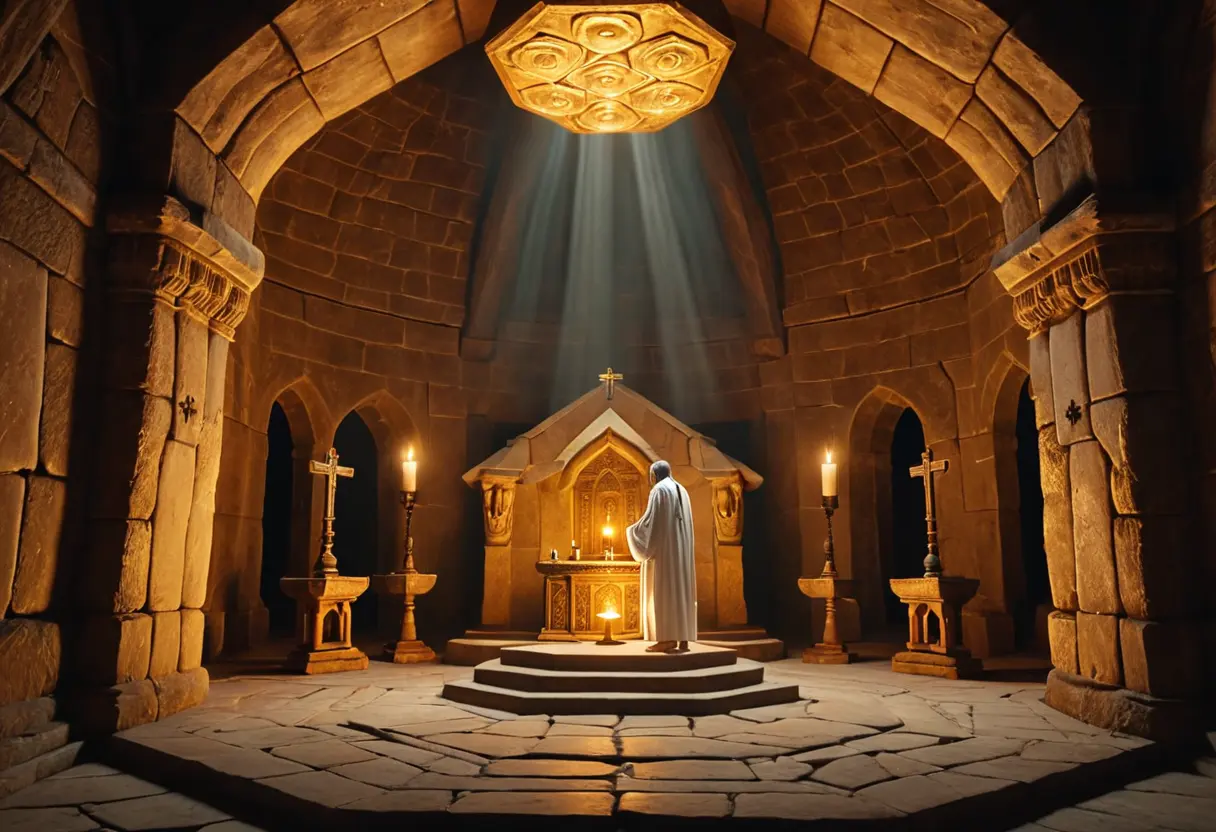
The Invisible College: The Practical Fiction
Modern historians believe that the “Order of the Rose Cross” may not have existed as a formal organization in the 17th century. Instead, the manifestos were likely a “Ludibrium” —a grand, intellectual prank or “serious game” played by Lutheran theologians like Johann Valentin Andreae and his circle. Their goal was to inspire a change in the European mind, encouraging people to move away from religious dogmatism toward scientific inquiry.
However, this “fiction” had a massive real-world impact. It inspired the thinkers who founded the Royal Society in England (the “Invisible College”) and was eventually incorporated into the higher degrees of Freemasonry .
Inheriting the Rose Cross
By the 19th century, numerous occult organizations (such as AMORC or the Hermetic Order of the Golden Dawn) claimed to be the authentic heirs to the lost Rosicrucian tradition. The movement evolved from a dream of scientific reformation into a system of ritual magic to be preserved in secret lodges.
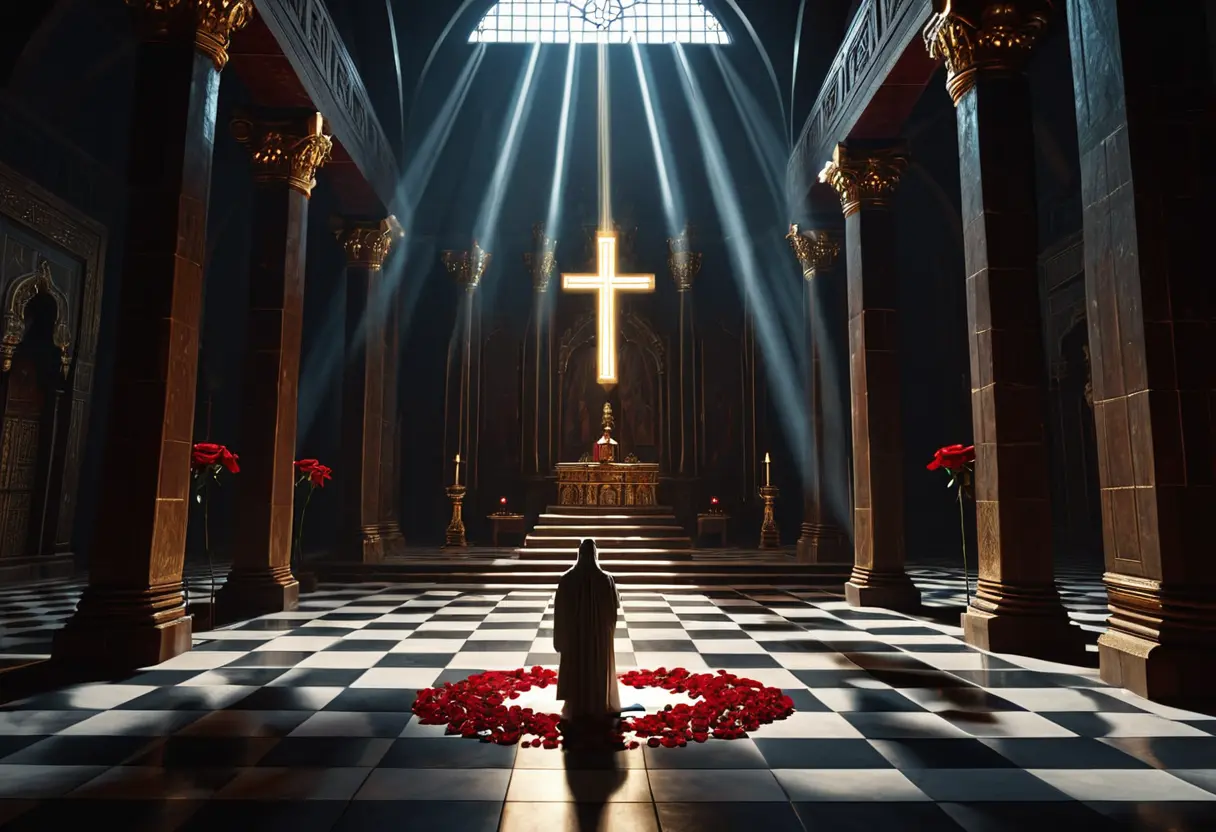
The Harmony of the Rose and the Cross
The symbol itself carries a profound duality: the Rose represents love, beauty, and the receptive feminine, while the Cross represents suffering, masculinity, and active force. To unite them is to achieve the ultimate balance. The Rosicrucian dream reminds us that true knowledge is not just a collection of facts, but a refinement of the heart that allows us to see the unity in all things.